How to Price Your Home for Sale: Bay Area Listing Strategy Guide | Rise Homes
Raven G. August 6, 2026
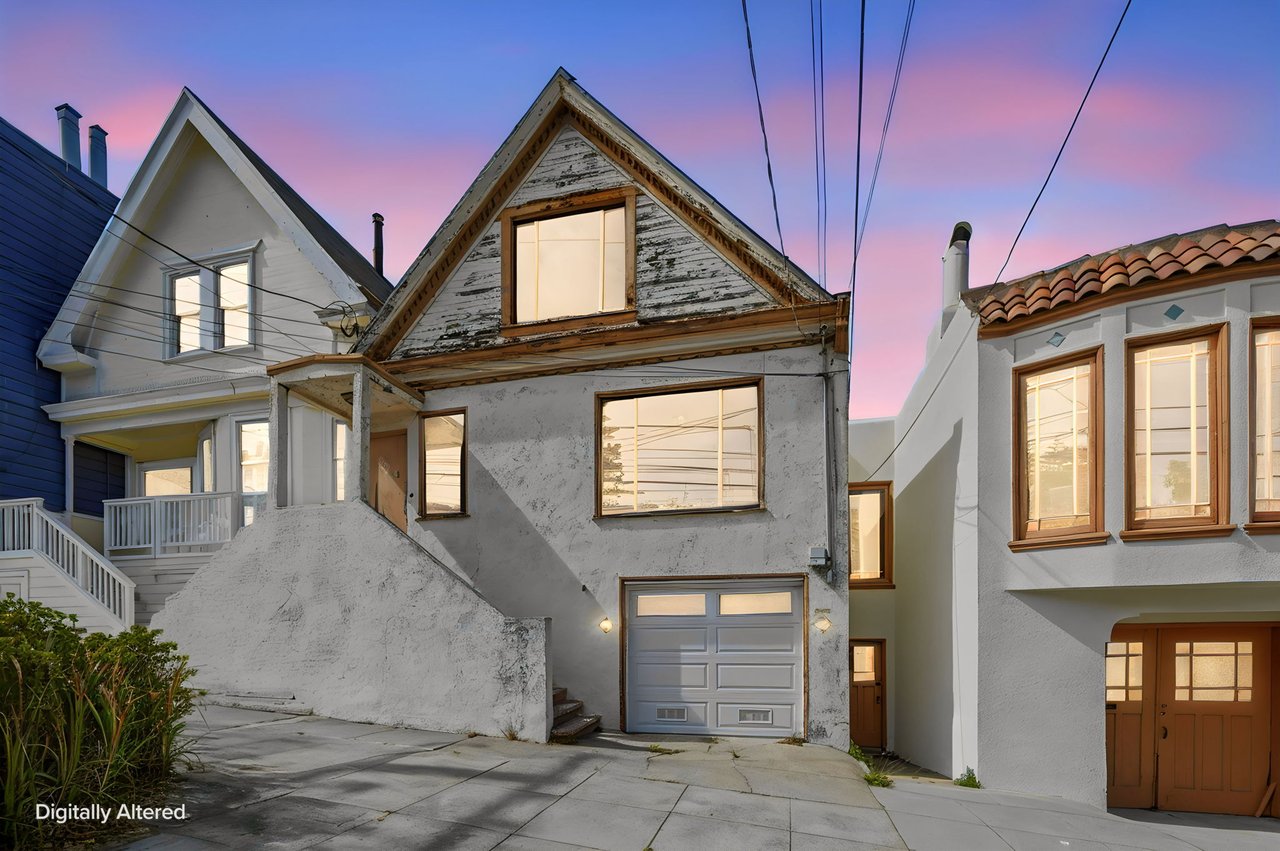
Raven G. August 6, 2026
One of the biggest misconceptions about selling a home is that pricing is just picking a number.
It isn’t.
Pricing a home is one of the most important strategic decisions you’ll make when preparing to sell. The right price can create momentum, attract serious buyers, generate competition, and ultimately help you achieve the strongest possible result.
The wrong price can do the opposite.
That’s why a smart pricing strategy starts with one thing:
Data.
Lots of data.
A strong listing price is not based on guesswork, emotion, or what a seller hopes the home is worth. It comes from carefully reviewing what the market is actually showing.
A good pricing strategy typically looks at:
Each of these factors helps create a clearer picture of where your home fits within today’s market.
For example, recent comparable sales can show what buyers have already been willing to pay. Active listings show what your home will be competing against right now. Pending sales can offer clues about current demand, and list-to-sale price ratios help determine whether homes in your area are typically selling below, at, or above asking.
When all of that information is reviewed together, pricing becomes much more strategic.
Of course, pricing is not always simple.
Especially here in the Bay Area, many homes are unique. Even two properties in the same neighborhood can have very different values depending on their condition, layout, lot, views, updates, and overall presentation.
Some important differences may include:
That’s why pricing is not about finding one “perfect” comparable sale.
In many cases, that perfect comparable does not exist.
Instead, pricing is about understanding where your home fits within the current market and how buyers are likely to respond to it.
Online estimates and automated valuation tools can be helpful starting points, but they rarely tell the whole story.
They may not fully understand:
In the Bay Area, small differences can have a major impact on value.
A home on one block may attract multiple offers, while a similar home a few streets away may perform differently because of traffic, schools, views, walkability, or neighborhood perception.
That’s why pricing requires both market analysis and local experience.
Once the data is reviewed, the next step is strategy.
A strong pricing plan looks beyond what the home may be “worth” on paper and considers how buyers are behaving in real time.
Important questions include:
All of these factors influence the final pricing recommendation.
Sometimes, pricing slightly below perceived market value can create more competition and drive a stronger final result. Other times, a more direct pricing approach may make sense depending on the property, neighborhood, and buyer pool.
The right strategy depends on the market.
It can be tempting to choose the highest listing price that sounds good.
But the goal is not simply to list high.
The goal is to create a pricing strategy that attracts the strongest buyers, generates the most interest, and produces the best possible outcome.
Overpricing can create serious problems.
A home that sits too long may start to feel stale to buyers. It may require price reductions. It may lose momentum. And in some cases, it may eventually sell for less than it could have if it had been positioned correctly from the start.
The first few weeks on the market are critical.
That is when buyer attention is highest, online visibility is strongest, and serious buyers are most likely to act.
A smart price helps maximize that window.
In many Bay Area markets, the strongest sale prices are often created through competition.
When a home is priced strategically, presented well, and marketed effectively, it can attract multiple interested buyers. That buyer competition can lead to stronger offers, better terms, and a higher final sale price.
That is why pricing is not just about the number.
It is about buyer psychology.
Buyers compare your home to everything else available. They look at condition, location, value, and perceived opportunity. If the home feels well-positioned, they are more likely to act quickly.
If it feels overpriced, they may wait.
And when buyers wait, momentum can slow.
The science is the data.
The art is knowing how buyers are likely to respond to that data.
A strong pricing strategy combines both.
The data tells us where the market is. Experience helps us understand how buyers may react, how to position the property, and how to create the best possible launch strategy.
That is especially important in the Bay Area, where micro-markets can behave very differently from one neighborhood to the next.
A pricing strategy for a home in San Francisco may look very different from one in San Mateo, Burlingame, Belmont, Pacifica, or Alameda. Even within the same city, different neighborhoods can attract different buyer pools and pricing behavior.
The best pricing decisions are not driven by emotion.
They are driven by evidence.
When you price a home correctly, you give it the best chance to attract attention, create urgency, and bring qualified buyers to the table.
That does not mean underpricing. It does not mean guessing. And it does not mean simply choosing the highest number.
It means building a strategy around the data, the property, the neighborhood, and the current market.
If you’re thinking about selling your home, the right pricing strategy can make all the difference.
At Rise Homes, we help sellers understand where their home fits in today’s market and how to position it for the strongest possible result.
Reach out anytime if you’d like a personalized pricing strategy for your home.
Stay up to date on the latest real estate trends.
September 24, 2026
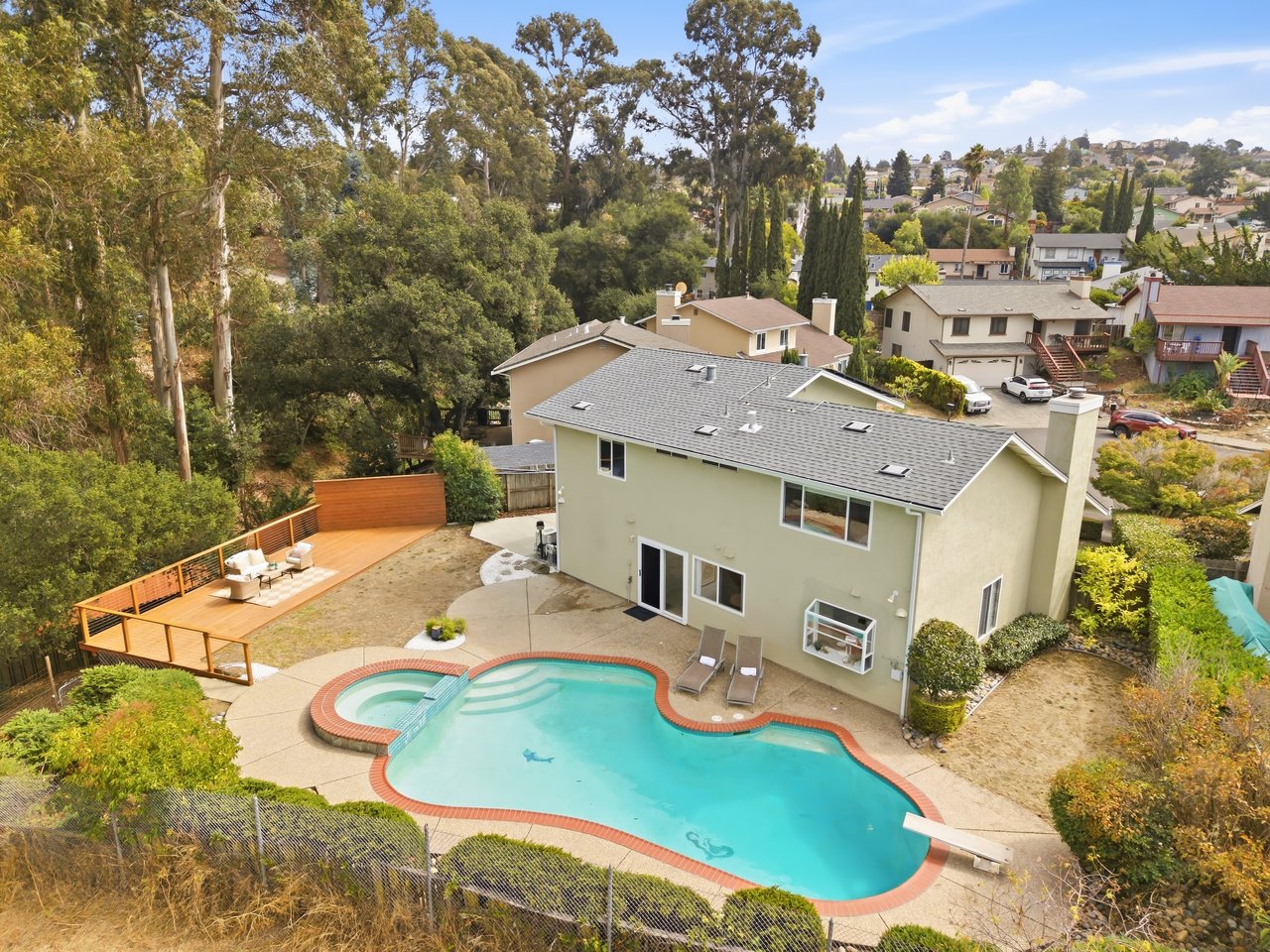
Why the strongest offer isn’t always the highest—and how price, financing, contingencies, and certainty can determine which buyer is truly in the best position to clos… Read more
September 17, 2026
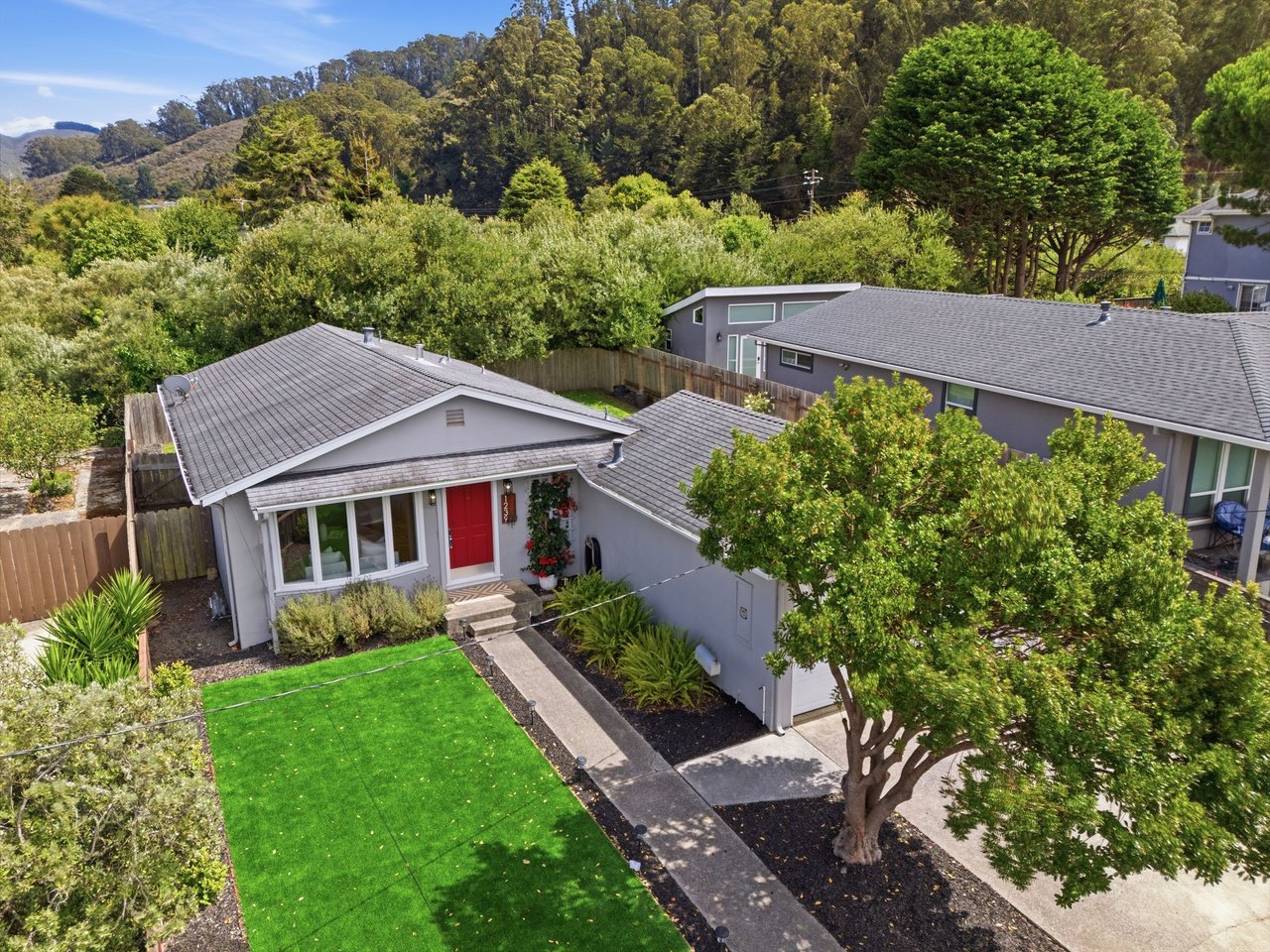
A practical look at what happens after an offer is accepted, from financing and title work to signatures, funding, and the final transfer of ownership.

September 11, 2026
What is a disclosure package in Bay Area real estate? Learn what home inspections, seller disclosures, HOA documents, and property reports buyers typically review befo… Read more
September 3, 2026
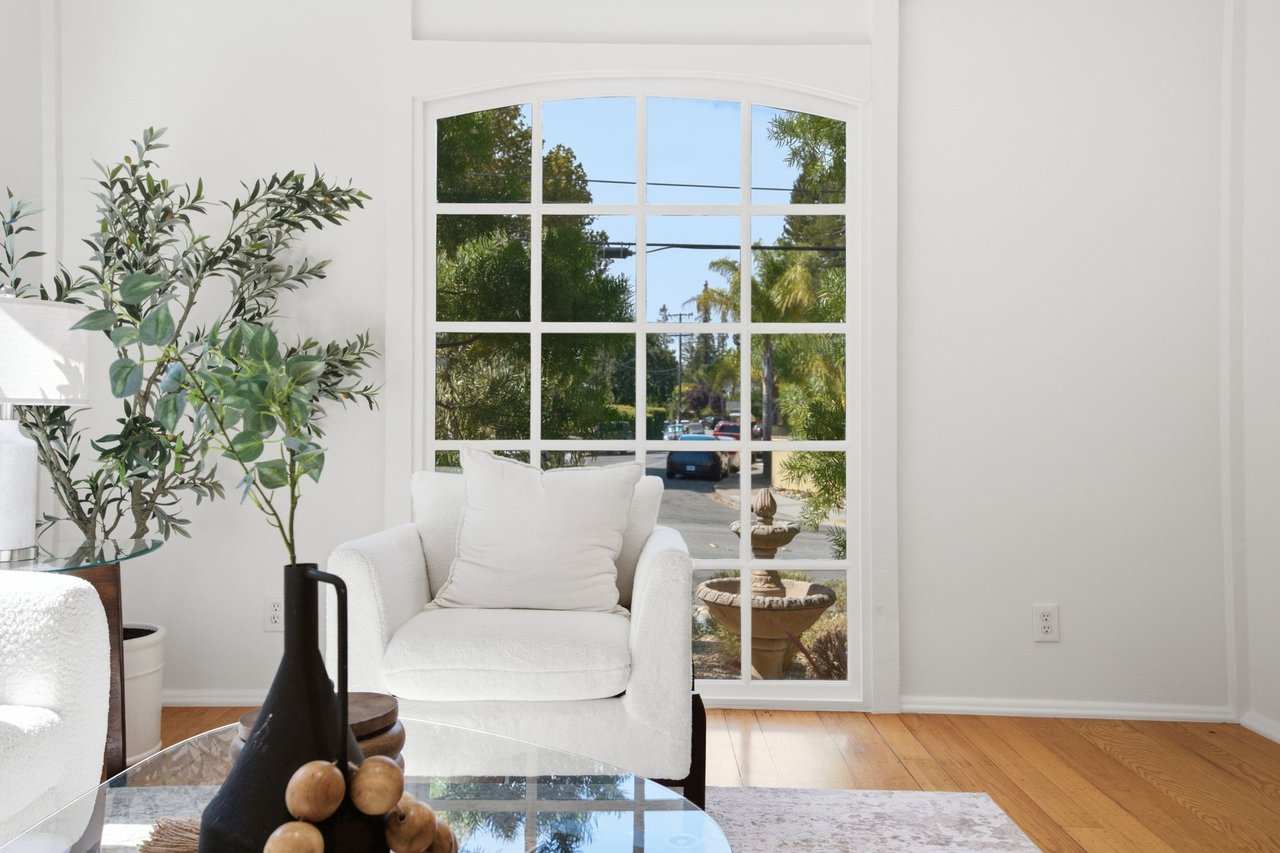
How strategic preparation can increase buyer appeal, create stronger competition, and help you get the best possible result when selling your home.
August 27, 2026
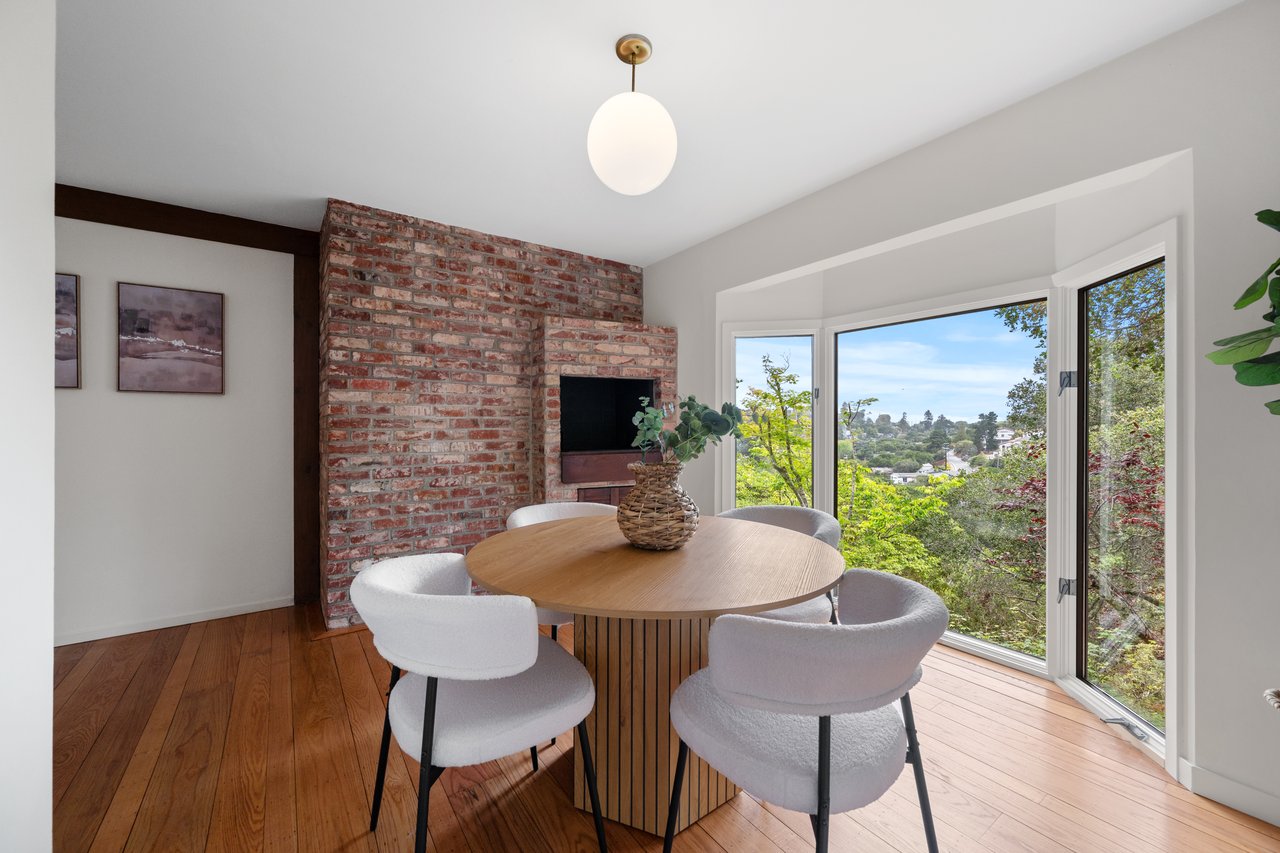
Learn why pre-listing inspections are worth it for Bay Area sellers. See how upfront inspections can build buyer confidence, reduce escrow surprises, and help create s… Read more

August 20, 2026
A quick look at the curb appeal, smell, and brightness details that shape a buyer’s first impression before they ever study the rest of the home.
August 14, 2026
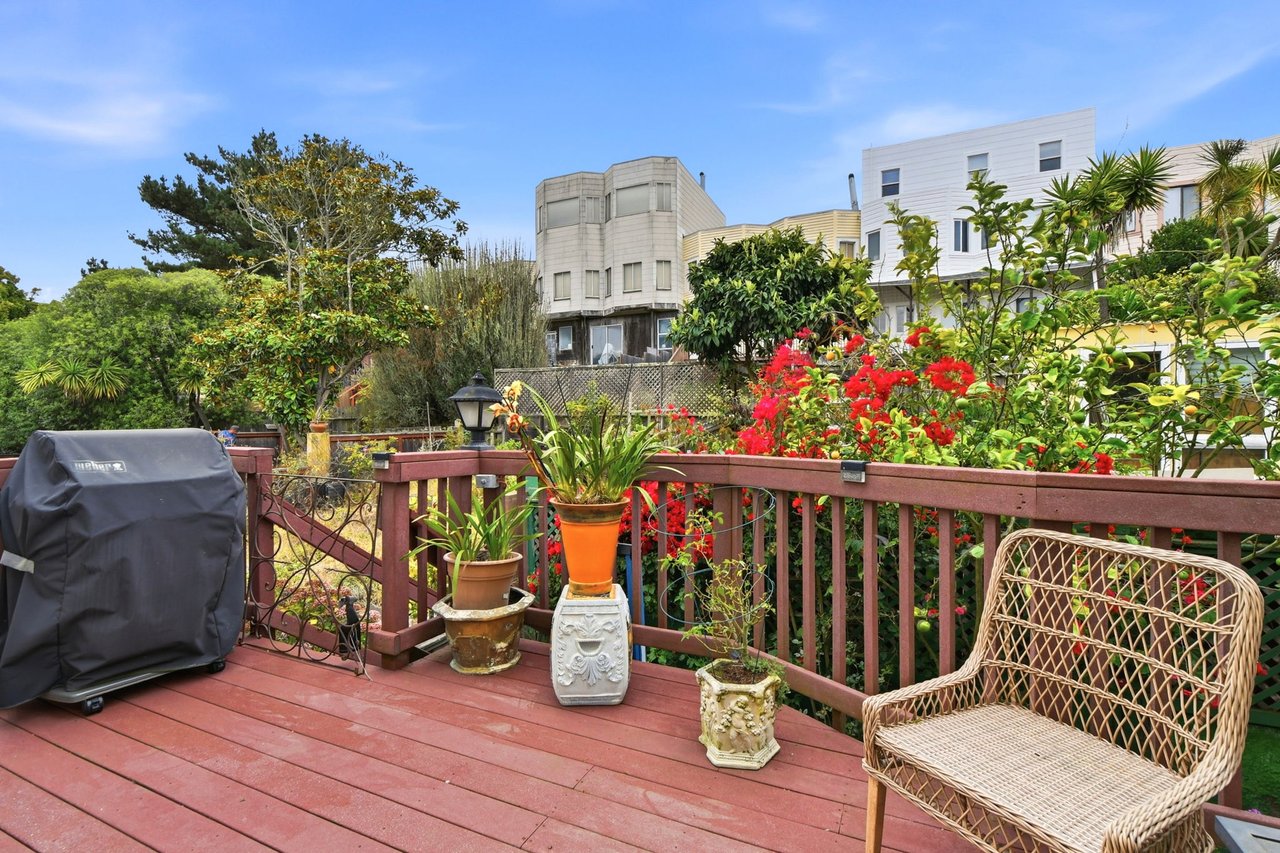
How overpricing can reduce buyer demand, weaken competition, and lead to a lower final sale price.
August 6, 2026
A practical look at how data, buyer behavior, and local market strategy help determine the right listing price for your home.
May 7, 2026
Explore one of San Mateo’s hidden neighborhood hubs, from Kaizen Coffee and Sapporo Rock-N-Roll Sushi to local dessert spots, bars, and everyday conveniences.
You’ve got questions and we can’t wait to answer them.