Is Fall a Good Time to Buy or Sell a Home in the Bay Area? | Rise Homes
Raven G. October 13, 2026
Raven G. October 13, 2026
From motivated buyers to a tighter selling window, here’s why the stretch between Labor Day and Thanksgiving can create unique opportunities for Bay Area buyers and sellers.
Spring tends to get most of the attention in real estate, but here in the Bay Area, fall can be just as important.
The stretch from Labor Day through Thanksgiving often acts like a second real estate season. September can bring a fresh wave of listings, serious buyers return to the market, and activity can remain strong through October before gradually slowing as the holidays approach.
But fall does not behave exactly like spring.
There is usually a shorter window, which means timing, pricing, and preparation become even more important.
For buyers, that same seasonal shift can create opportunities too. There may be less competition than during the spring rush, and homes that have been sitting on the market can become more negotiable as the end of the year approaches.
So, is fall a good time to buy or sell a home in the Bay Area?
For the right property, neighborhood, and strategy, it absolutely can be.
Summer can be an unusual time for Bay Area real estate.
Families travel, school schedules change, vacations interrupt routines, and some sellers decide to wait until everyone is back before putting their homes on the market.
Once Labor Day passes, activity often picks up again.
Sellers who waited through the summer begin listing their homes. Buyers who may have taken a break start searching again. And people who were unsuccessful during the spring market may return with a much clearer idea of what they want and what it will take to win.
That creates a meaningful fall market, particularly in September and October.
The key difference is that fall generally has a much tighter timeline.
September can feel like a reset.
Homes that were being prepared during the summer start coming to market, creating fresh inventory for buyers who may have been waiting for more options.
For sellers, that means opportunity but also competition.
Your home is not entering the market alone. Buyers may suddenly have several new properties to compare, which makes pricing and presentation especially important.
A well-prepared home that is positioned correctly can stand out.
A home that is overpriced or poorly presented may struggle to build momentum before the fall window begins to close.
One of the advantages of selling during the fall is that the buyers who remain active are often motivated.
Many have already spent months looking.
Some were outbid earlier in the year.
Others may be relocating, trying to purchase before year-end, or simply ready to stop searching and make a decision.
By fall, these buyers usually understand the market better than they did when they began.
They have seen comparable homes.
They know what different neighborhoods cost.
They understand how quickly desirable properties can move.
And they are often prepared to act when the right home appears.
For sellers, that can mean fewer casual shoppers and more conversations with buyers who are genuinely ready to purchase.
This is one of the most important differences between spring and fall.
The spring market has more runway.
If a property does not sell immediately in March or April, there may still be considerable time to adjust the strategy and regain momentum.
Fall is different.
Activity may remain healthy throughout September and October, but as Thanksgiving and the year-end holidays approach, the buyer pool often becomes smaller.
That makes the launch of a fall listing especially important.
If you are thinking about selling, coming to market in September or early October can give you more time to capture buyer attention before holiday schedules begin affecting activity.
Pricing is always important, but a shorter selling season makes mistakes harder to recover from.
Imagine listing too high in early October.
Buyer activity is weak, so after several weeks you decide to reduce the price.
Now it is November.
You may finally be priced correctly, but there is less time to rebuild excitement around the property before Thanksgiving and the holiday slowdown.
That is why the initial pricing strategy matters so much.
The goal should not be to choose the highest possible asking price. The goal is to position the property in a way that encourages serious buyers to engage from the beginning.
As we discussed in our guide to Why Pricing Your Home Too High Can Cost You Money, early momentum can be one of the most valuable assets a seller has.
Fall buyers may be motivated, but they are not necessarily less selective.
A home still needs to make a strong impression.
That may mean:
You do not necessarily need to complete a large renovation.
Often, the goal is simply to make the property feel clean, bright, cared for, and ready for the next owner.
Our guide on Should You Sell Your Home As-Is or Fix It Up First? goes deeper into deciding which pre-sale improvements are actually worth doing.
Fall does not only benefit sellers.
For buyers, the season can create a different set of opportunities.
Spring is often associated with the largest buyer pool and some of the most intense competition.
By fall, some of that competition may have disappeared.
Some buyers have already purchased homes.
Others may decide to wait until the following year.
That can leave serious fall buyers competing with a smaller group of people in certain neighborhoods.
Of course, the most desirable and properly priced homes can still attract multiple offers.
But in some situations, a buyer may face fewer competing offers than they would have several months earlier.
Time on market changes the conversation.
A property that was newly listed in September may have a seller who is confident and willing to wait for their preferred price and terms.
That same property can look very different by November if it has not sold.
At that point, the seller may be more open to discussing:
That does not mean every older listing is automatically a bargain.
There may be a reason the property has not sold.
But for buyers willing to look beyond the newest listings, fall can create opportunities to negotiate that may not have existed when the property first came to market.
Timing matters to sellers too.
Some homeowners may want the transaction completed before the holidays or before the end of the calendar year.
Others may already have purchased another property, relocated, or developed a timeline that makes certainty more valuable than holding out indefinitely.
A motivated seller does not automatically mean a deeply discounted home.
But motivation can sometimes create flexibility around terms.
For buyers, understanding why a seller is selling and what matters to them besides price can be extremely useful when structuring an offer.
One mistake buyers should avoid is assuming that fall automatically means discounts.
It does not.
A desirable home in a strong neighborhood that is properly prepared and priced can still attract significant competition.
The fundamentals still matter:
Location.
Condition.
Price.
Presentation.
Inventory.
Buyer demand.
A great property can perform extremely well regardless of whether it is September, April, or another time of year.
Fall simply changes the dynamics surrounding that competition.
This may be the most important thing to understand.
The Bay Area is not one real estate market.
San Francisco can behave differently from San Mateo County.
Burlingame can behave differently from Pacifica.
Oakland can behave differently from Berkeley.
And even within the same city, a single-family home at one price point may experience very different demand than a condo several blocks away.
Inventory and buyer activity can vary dramatically between counties, cities, neighborhoods, property types, and price ranges.
That is why broad advice like “fall is always a buyer's market” or “spring is always the best time to sell” can be misleading.
The better question is:
What is happening in your specific market right now?
If you are considering selling, fall can be a strong opportunity, particularly if you are ready to move early enough in the season.
The most important factors are preparation, timing, and pricing.
Ideally, you want to launch while serious buyers are active and before the holiday slowdown significantly reduces your window.
A clean, thoughtfully prepared home that is priced correctly from the beginning can still generate excellent results during the fall market.
For buyers, fall can be worth watching closely.
You may encounter fewer competing buyers in certain areas, and properties that have been sitting longer may offer additional negotiating opportunities.
At the same time, desirable homes can still move quickly.
Being prepared matters.
That means having financing in place, understanding recent comparable sales, reviewing disclosures carefully, and knowing what you are willing to pay before the right property appears.
Spring may get most of the headlines, but the Bay Area real estate market does not stop when summer ends.
The period from Labor Day through Thanksgiving can create a meaningful second season for both buyers and sellers.
For sellers, the opportunity comes with urgency. You have a smaller window to launch correctly, attract motivated buyers, and build momentum before the holidays.
For buyers, fall can bring new inventory, a potentially smaller competitive field, and opportunities to negotiate with sellers whose priorities may shift as the year comes to a close.
The most important thing is not simply choosing a season.
It is understanding what is happening in the specific neighborhood, price range, and property type you care about.
If you have been waiting for the right moment to buy or sell, fall may be worth a closer look.
Reach out and I’ll pull the current numbers for the Bay Area neighborhood you’re watching so we can see what the market is actually doing.
Stay up to date on the latest real estate trends.
October 13, 2026
A Bay Area guide to fall real estate, including September inventory, motivated buyers, seasonal competition, pricing strategy, and year-end opportunities.
September 24, 2026
Why the strongest offer isn’t always the highest—and how price, financing, contingencies, and certainty can determine which buyer is truly in the best position to clos… Read more
September 17, 2026
A practical look at what happens after an offer is accepted, from financing and title work to signatures, funding, and the final transfer of ownership.

September 11, 2026
What is a disclosure package in Bay Area real estate? Learn what home inspections, seller disclosures, HOA documents, and property reports buyers typically review befo… Read more
September 3, 2026
How strategic preparation can increase buyer appeal, create stronger competition, and help you get the best possible result when selling your home.
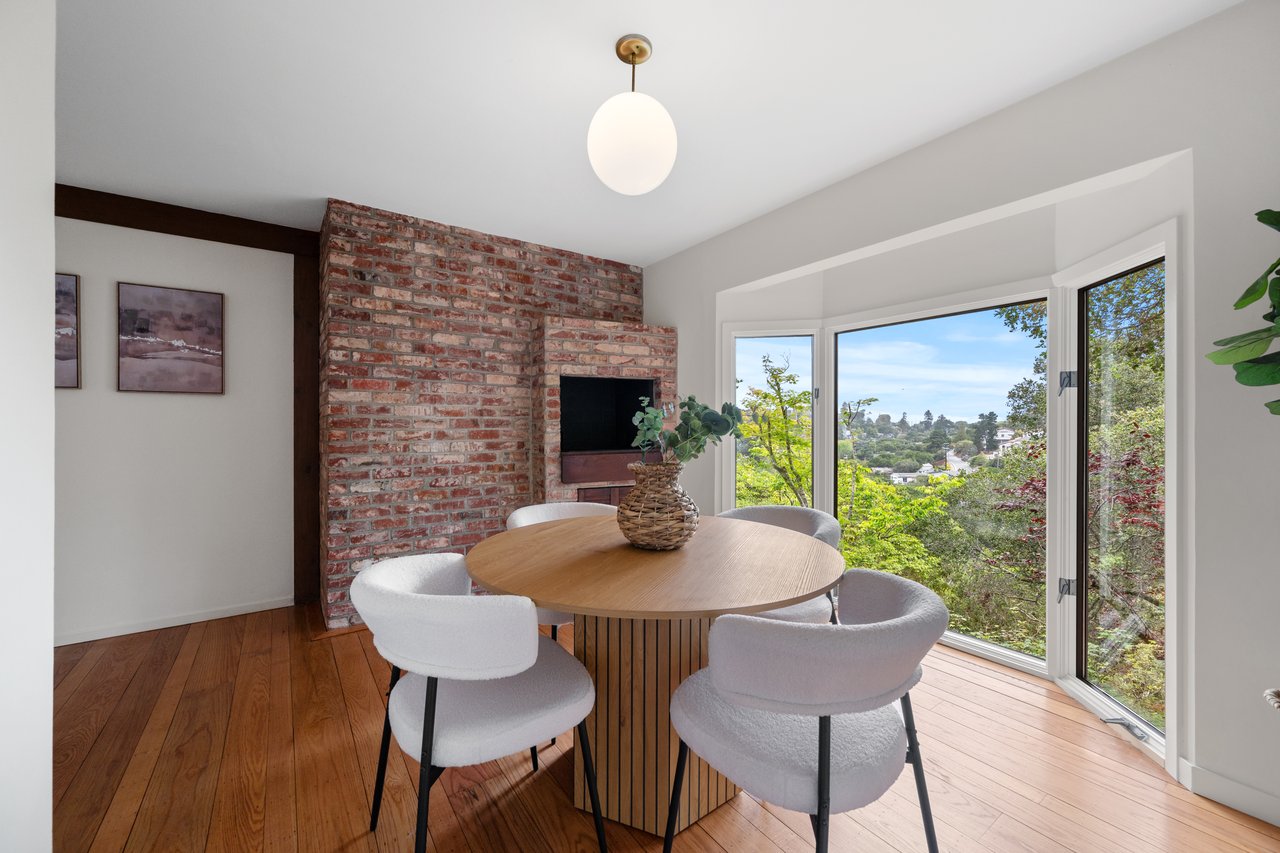
August 27, 2026
Learn why pre-listing inspections are worth it for Bay Area sellers. See how upfront inspections can build buyer confidence, reduce escrow surprises, and help create s… Read more

August 20, 2026
A quick look at the curb appeal, smell, and brightness details that shape a buyer’s first impression before they ever study the rest of the home.
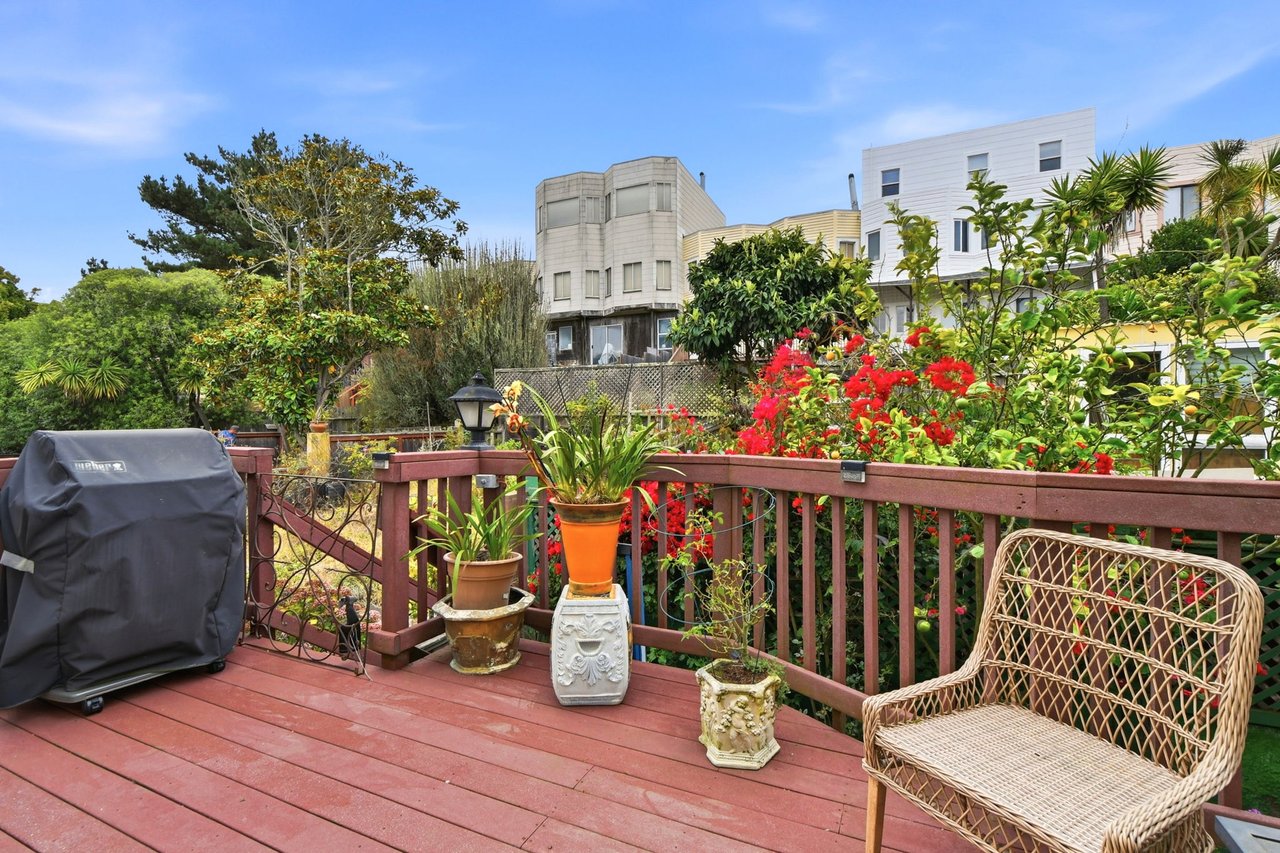
August 14, 2026
How overpricing can reduce buyer demand, weaken competition, and lead to a lower final sale price.
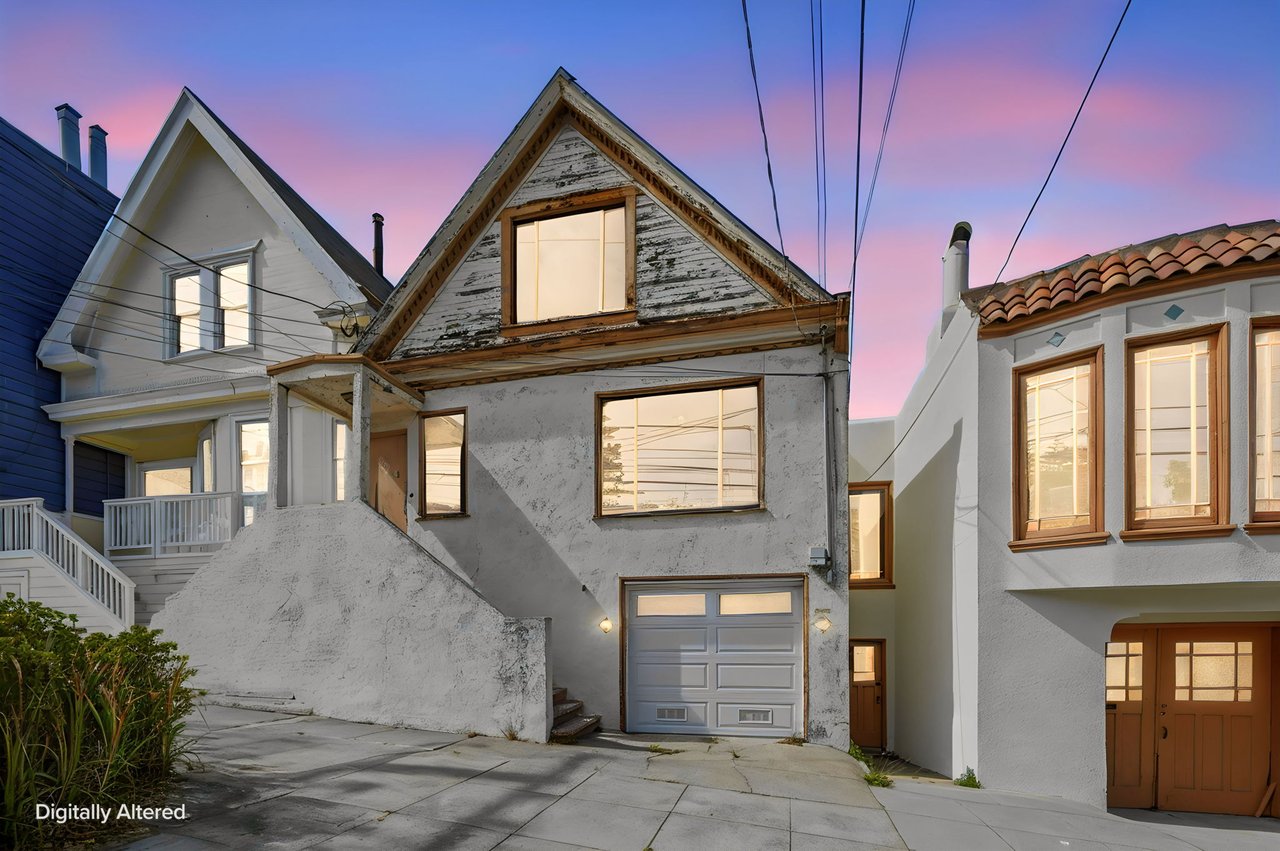
August 6, 2026
A practical look at how data, buyer behavior, and local market strategy help determine the right listing price for your home.
You’ve got questions and we can’t wait to answer them.