Why Overpricing Your Home Can Cost You Money | Bay Area Seller Strategy
Raven G. August 14, 2026
Raven G. August 14, 2026
One of the biggest mistakes sellers make is assuming that a higher list price will automatically lead to a higher sale price.
It sounds logical at first. If you want more money, why not start higher?
But in many Bay Area markets, the opposite is often true.
Pricing your home too high can actually reduce buyer interest, weaken competition, and ultimately lead to a lower final sale price. That’s why pricing is not just a number. It is a strategy.
Today’s buyers are informed. They are not looking at your home in isolation.
By the time serious buyers walk through your property, many of them have already been touring homes for weeks or months. They have studied comparable sales, watched homes go pending, written offers, and seen what properties actually sell for.
They understand how their local market behaves.
In some San Francisco neighborhoods, for example, it is common for homes to sell 20% or more above the asking price. Buyers know this. So when a home is listed significantly higher than similar homes in the area, many buyers do not think, “This must be worth more.”
Instead, they often think:
“This home is overpriced.”
And then they move on.
When a home is priced too high, it can immediately shrink the buyer pool.
Some buyers may never schedule a showing. Others may assume the seller is unrealistic. Some may think that even if they like the home, the final price will be far beyond what they are comfortable paying.
That creates a chain reaction:
Fewer showings lead to fewer interested buyers.
Fewer interested buyers lead to fewer offers.
Fewer offers mean less competition.
Less competition often means a weaker final sale price.
In competitive markets, momentum matters. The more buyers you attract early, the better chance you have of creating urgency and strong offer activity.
The first few weeks on the market are critical.
That is when your listing gets the most attention online. It is when buyers, agents, and serious prospects are watching closely. If the home is priced correctly, that early activity can create strong interest and potentially multiple offers.
But if the home sits, a new problem begins.
Buyers start asking:
“Why hasn’t it sold?”
“Is something wrong with it?”
“Will the seller take less?”
Even if there is nothing wrong with the home, the perception alone can hurt you.
Once a listing begins to feel stale, buyers may approach it with less urgency. They may also feel more confident negotiating aggressively because they assume the seller has lost leverage.
You have probably seen headlines about Bay Area homes selling hundreds of thousands, or even more than a million dollars, over the asking price.
That does not always mean the home was underpriced.
In many cases, it means the home was priced strategically for that specific market.
A smart pricing strategy is designed to generate maximum interest, bring qualified buyers through the door, and create competitive bidding. When multiple buyers want the same home, the final sale price can rise well beyond the list price.
That is the difference between simply choosing a high number and creating a strategy that encourages demand.
The goal is not to list your home for the highest possible price.
The goal is to sell your home for the highest possible price.
Those are not always the same thing.
A high list price may look good on paper, but if it discourages buyers, reduces showings, and prevents competition, it can work against you.
A strategic list price, on the other hand, can create energy around the listing. It can make buyers feel urgency. It can make your home stand out against the competition. And in the right market, it can lead to stronger offers and better terms.
Pricing strategy is not one-size-fits-all.
Every neighborhood, price range, and property type behaves differently. A pricing strategy that works in one San Francisco neighborhood may not work the same way in San Mateo, Burlingame, Pacifica, Belmont, Alameda, or another Bay Area community.
That is why pricing should be based on:
The right strategy depends on what is happening in your exact market, not just broad headlines.
It is natural for sellers to feel emotionally connected to their home. You may remember the upgrades, the time spent there, the memories created, and the work you put into the property.
But buyers are looking at value, competition, and opportunity.
That is why pricing should never be based on hope or emotion. It should be based on data, buyer behavior, and a strategy designed to create demand, not discourage it.
The strongest results usually come from understanding how buyers think and positioning the home in a way that makes them want to act.
Pricing your home too high can cost you money because it can reduce interest, limit competition, and weaken your negotiating position.
The best pricing strategies are not about chasing the highest list price. They are about creating the strongest possible market response.
At Rise Homes, we help sellers analyze the data, understand buyer behavior, and position their homes to attract serious demand. Because in real estate, the right strategy can make all the difference.
If you are thinking about selling your Bay Area home, reach out anytime. We would be happy to help you determine a pricing strategy that is built around your property, your market, and your goals.
Stay up to date on the latest real estate trends.
October 13, 2026
A Bay Area guide to fall real estate, including September inventory, motivated buyers, seasonal competition, pricing strategy, and year-end opportunities.
September 24, 2026
Why the strongest offer isn’t always the highest—and how price, financing, contingencies, and certainty can determine which buyer is truly in the best position to clos… Read more
September 17, 2026
A practical look at what happens after an offer is accepted, from financing and title work to signatures, funding, and the final transfer of ownership.

September 11, 2026
What is a disclosure package in Bay Area real estate? Learn what home inspections, seller disclosures, HOA documents, and property reports buyers typically review befo… Read more
September 3, 2026
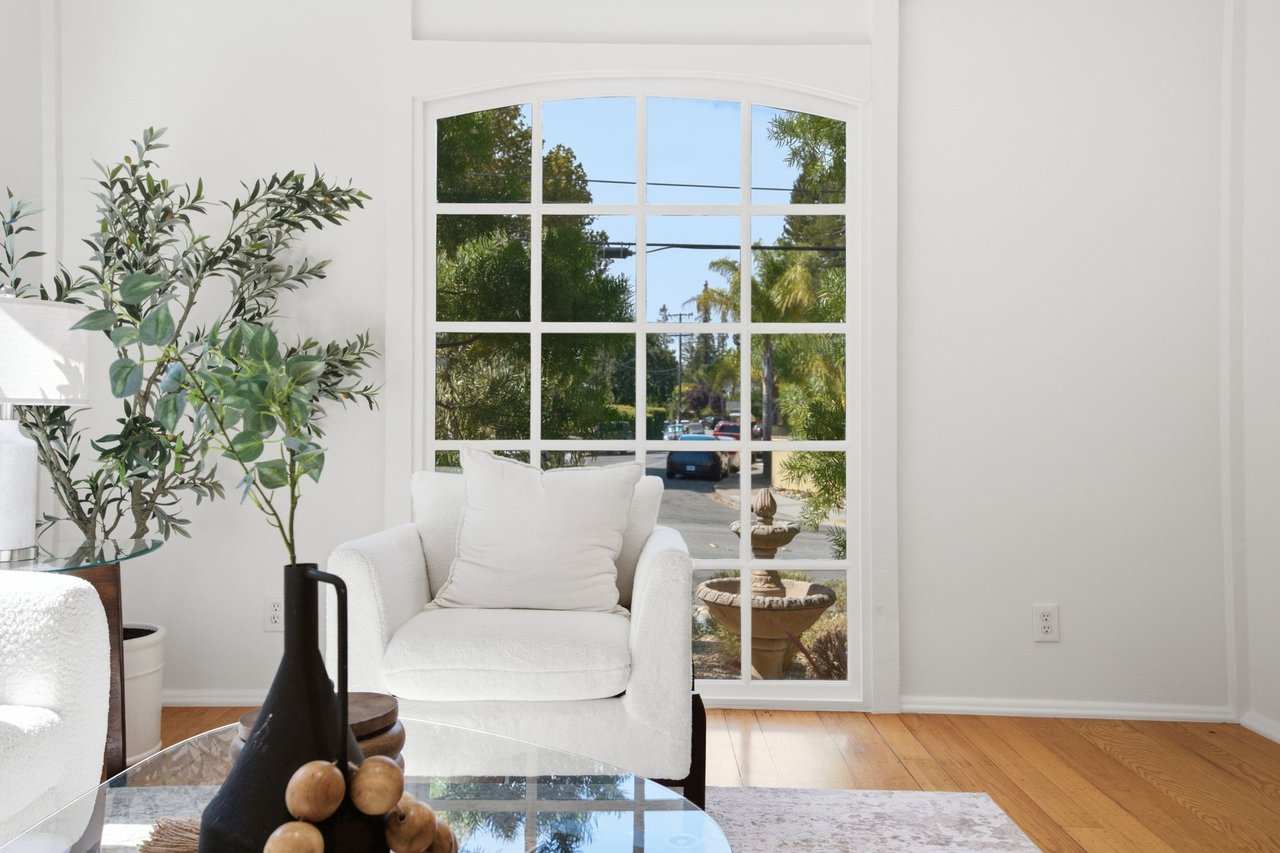
How strategic preparation can increase buyer appeal, create stronger competition, and help you get the best possible result when selling your home.
August 27, 2026
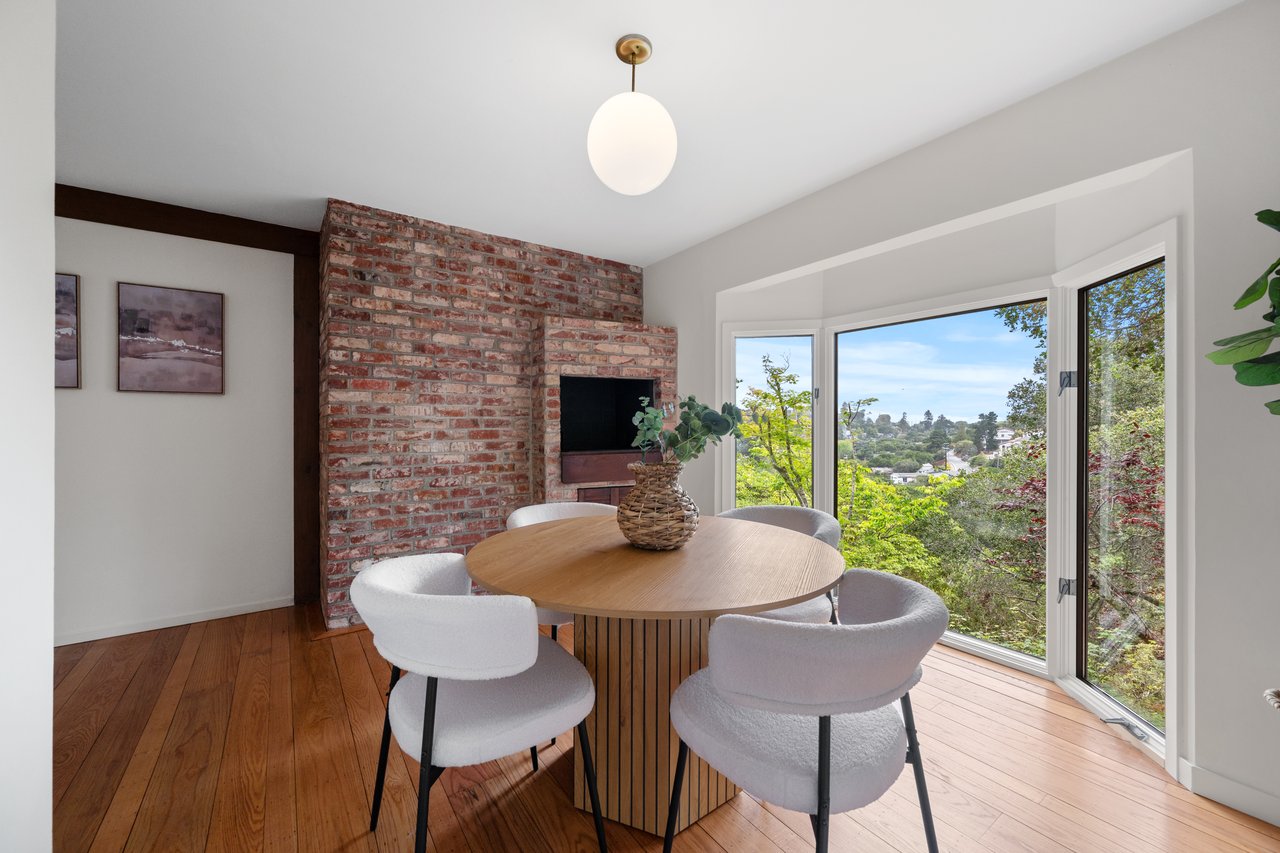
Learn why pre-listing inspections are worth it for Bay Area sellers. See how upfront inspections can build buyer confidence, reduce escrow surprises, and help create s… Read more

August 20, 2026
A quick look at the curb appeal, smell, and brightness details that shape a buyer’s first impression before they ever study the rest of the home.
August 14, 2026
How overpricing can reduce buyer demand, weaken competition, and lead to a lower final sale price.
August 6, 2026
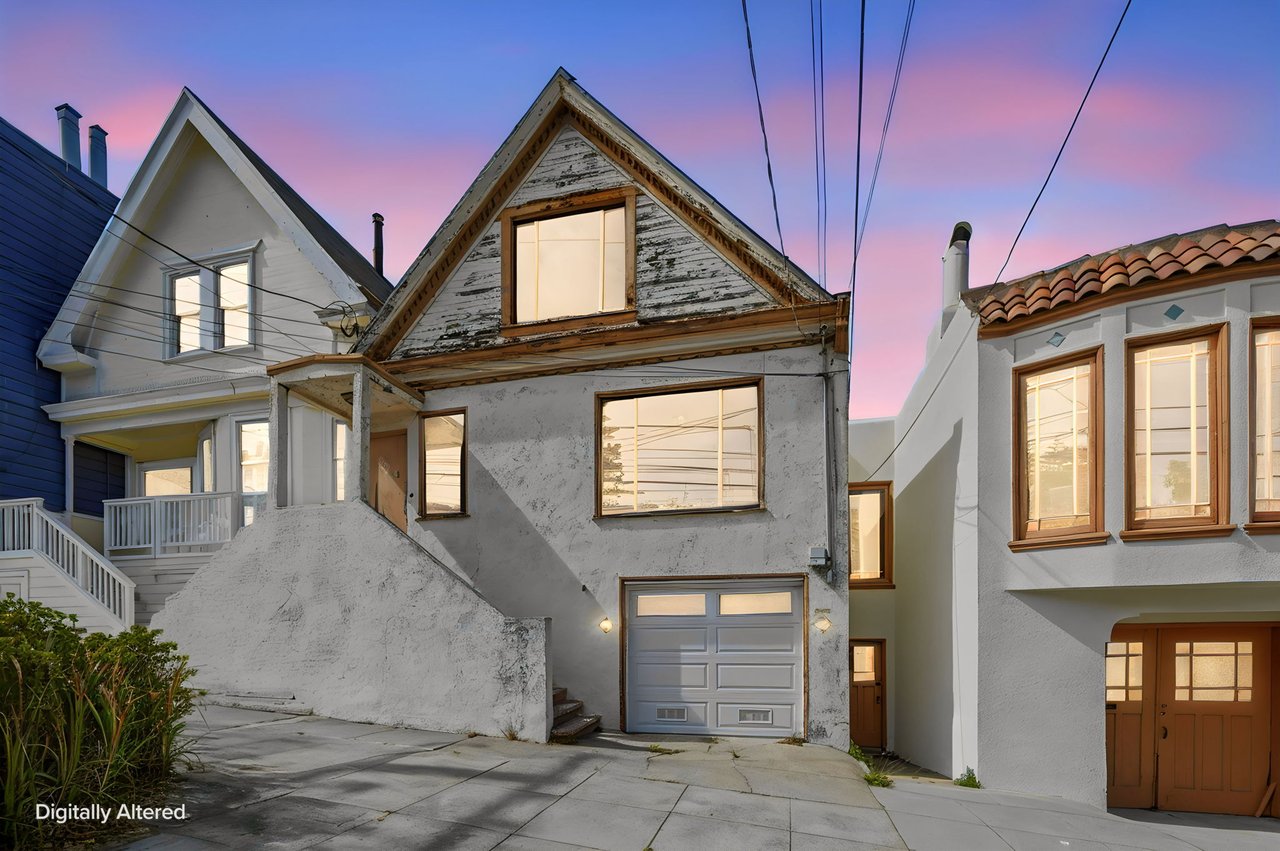
A practical look at how data, buyer behavior, and local market strategy help determine the right listing price for your home.
You’ve got questions and we can’t wait to answer them.