Why Bay Area Homes Sell “Over Asking”
Raven G. October 26, 2026

Raven G. October 26, 2026
If you have followed the Bay Area real estate market for any length of time, you have probably seen homes sell for 10%, 15%, or even 20% above the asking price.
At first glance, that can make the market seem confusing.
Why would a seller list a home at one price if everyone expects it to sell for more?
In many Bay Area neighborhoods, the answer is simple:
The list price is often a marketing strategy, not a prediction of the final sale price.
The goal is to position the home in a way that attracts qualified buyers, creates competition, and allows the market to help determine the final value.
One common Bay Area strategy is to list a home slightly below the price the seller ultimately hopes to achieve.
That does not necessarily mean the seller believes the home is worth less.
It means the list price is being used strategically to attract attention.
Buyers search for homes within specific price ranges. If someone sets their maximum search at $1.4 million, a home listed at $1,395,000 may appear in their results.
That same property listed at $1.5 million might not.
By pricing within a more competitive search bracket, sellers may be able to reach a larger pool of buyers from the moment the property hits the market.
Getting buyers through the door is only the first step.
The real advantage comes when several serious buyers want the same property.
When multiple buyers are interested, they are no longer simply negotiating against the seller.
They are competing with each other.
That competition can affect:
Instead of the seller trying to convince one buyer that the home deserves a certain price, the buyers themselves help establish market value through their offers.
That is often how a home ends up selling significantly above its original asking price.
Another common part of this strategy is setting a clear offer date.
Rather than accepting offers immediately, the seller may give buyers several days to:
Tour the property.
Review the disclosure package.
Study comparable sales.
Speak with their lender.
Complete their due diligence.
Decide how aggressively they want to compete.
When everyone knows offers are due on the same date, interested buyers are encouraged to put forward their strongest terms at roughly the same time.
That concentrates demand.
And when multiple strong offers arrive together, the seller gains more leverage.
This is one of the biggest misconceptions about Bay Area real estate.
If a home sells $300,000 above asking, people often assume the seller accidentally priced it too low.
That is not necessarily what happened.
The lower asking price may have been intentional.
If recent comparable sales suggested the home would likely sell near a certain range, the seller may have chosen a lower list price specifically to increase traffic and encourage competition.
The real measure of success is not how far the sale price exceeded the asking price.
The better question is:
Did the pricing strategy help the seller achieve the strongest possible final result?
Pricing below expected market value tends to work best when several factors are working together.
First, the home needs to show well.
Strong photography, thoughtful preparation, staging, repairs, landscaping, and overall presentation can make buyers more emotionally invested in the property.
Second, there needs to be meaningful buyer demand.
If several qualified buyers are actively searching for the same type of home in the same price range, competition is much easier to create.
Third, comparable sales need to support the expected value.
A pricing strategy should still be grounded in data.
Recent sales help buyers, agents, appraisers, and sellers understand where the home may ultimately land.
Without that support, an aggressive pricing strategy can become much riskier.
This approach is not right for every home.
Some properties are simply harder to price strategically.
A truly unique home may not have enough comparable sales.
A luxury property may have a much smaller buyer pool.
A home in an area with rising inventory may not generate the same competition.
And pricing a home too far below realistic market value can create problems of its own.
It may attract buyers who are not actually capable of purchasing the property at its expected sale price.
It can also create confusion.
If buyers see a home listed dramatically below comparable properties, they may wonder whether something is wrong with it.
A successful strategy requires finding the right balance.
For buyers, the biggest takeaway is simple:
Do not automatically assume the asking price is the price the seller expects to accept.
Instead, look at what similar homes have actually sold for.
Review recent comparable sales.
Pay attention to:
If similar homes have regularly sold well above asking, that information can be far more useful than the list price alone.
A home listed at $1.4 million may realistically be competing in a much higher price range.
Understanding that before writing an offer can prevent surprises.
It is easy to become anchored to the list price.
A buyer might think:
“If they are asking $1.4 million, offering $1.55 million already feels aggressive.”
But if recent comparable homes sold for $1.6 million or more, the buyer may still be below the market.
The list price should be one piece of information—not the entire valuation.
The better question is:
What is this home likely worth based on recent sales and current buyer demand?
That is the number buyers should be analyzing.
For sellers, pricing should never be reduced to:
“What is the highest number we can put on the listing?”
A higher asking price does not automatically produce a higher sale price.
In fact, pricing too high can reduce traffic, limit competition, and weaken momentum.
The better goal is to determine which pricing strategy gives the home the best chance to attract serious buyers and generate the strongest possible offers.
That decision should consider:
The home itself.
The neighborhood.
Recent comparable sales.
Current inventory.
Buyer demand.
The time of year.
The seller's goals.
There is no universal formula.
One of the most important things to understand about Bay Area real estate is that there is no single Bay Area pricing strategy.
San Francisco can behave very differently from San Mateo County.
Burlingame may behave differently from Pacifica.
Oakland may behave differently from Alameda.
Even neighborhoods within the same city can produce very different sale-to-list-price patterns.
Property type matters too.
A single-family home may attract intense competition while a nearby condo at a similar price experiences a completely different market.
That is why pricing has to be specific.
The strategy that works perfectly for one property can be completely wrong twenty minutes away.
Why do Bay Area homes sell over asking?
Often, it is because the asking price was designed to generate demand rather than predict the final sale price.
A well-positioned list price can bring more buyers through the door.
More buyers can create competition.
An offer date can concentrate that competition.
And when several buyers are competing for the same property, the market can push the final sale price above the original asking price.
For buyers, that means looking beyond the list price and studying comparable sales.
For sellers, it means understanding that pricing is a strategy—not simply choosing the biggest number possible.
At Rise Homes, we look at recent sales, current competition, buyer behavior, property condition, and neighborhood-specific trends before recommending a pricing strategy.
Because the right list price is not always the highest one.
It is the one that gives the property the strongest opportunity to achieve the best possible result.
Stay up to date on the latest real estate trends.
October 26, 2026
Why the list price is often a strategic starting point—and how buyer competition can determine the final sale price.
October 19, 2026
What heirs, trustees, and families need to know about California’s Prop 19 rules before deciding whether to move into, rent, or sell an inherited home.
October 13, 2026
A Bay Area guide to fall real estate, including September inventory, motivated buyers, seasonal competition, pricing strategy, and year-end opportunities.
September 24, 2026
Why the strongest offer isn’t always the highest—and how price, financing, contingencies, and certainty can determine which buyer is truly in the best position to clos… Read more
September 17, 2026
A practical look at what happens after an offer is accepted, from financing and title work to signatures, funding, and the final transfer of ownership.

September 11, 2026
What is a disclosure package in Bay Area real estate? Learn what home inspections, seller disclosures, HOA documents, and property reports buyers typically review befo… Read more
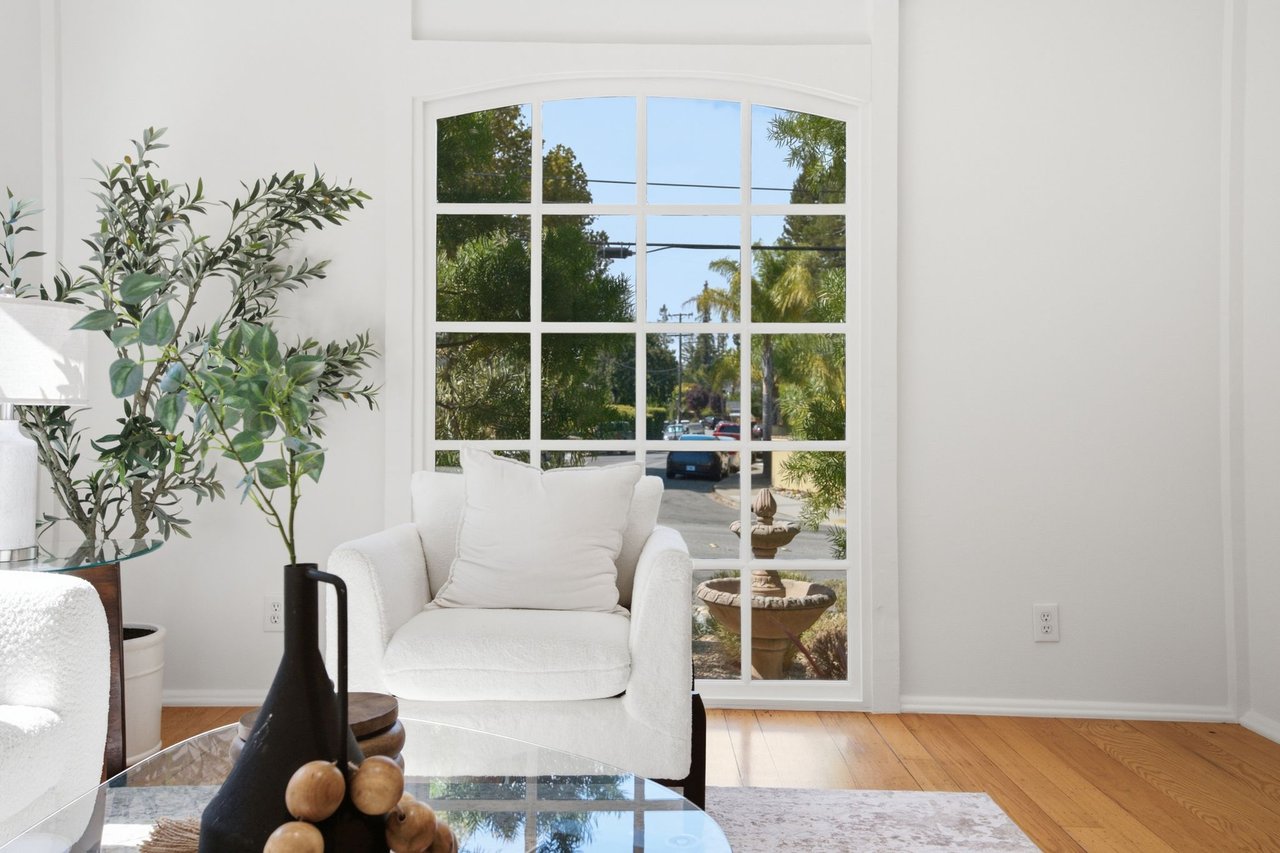
September 3, 2026
How strategic preparation can increase buyer appeal, create stronger competition, and help you get the best possible result when selling your home.
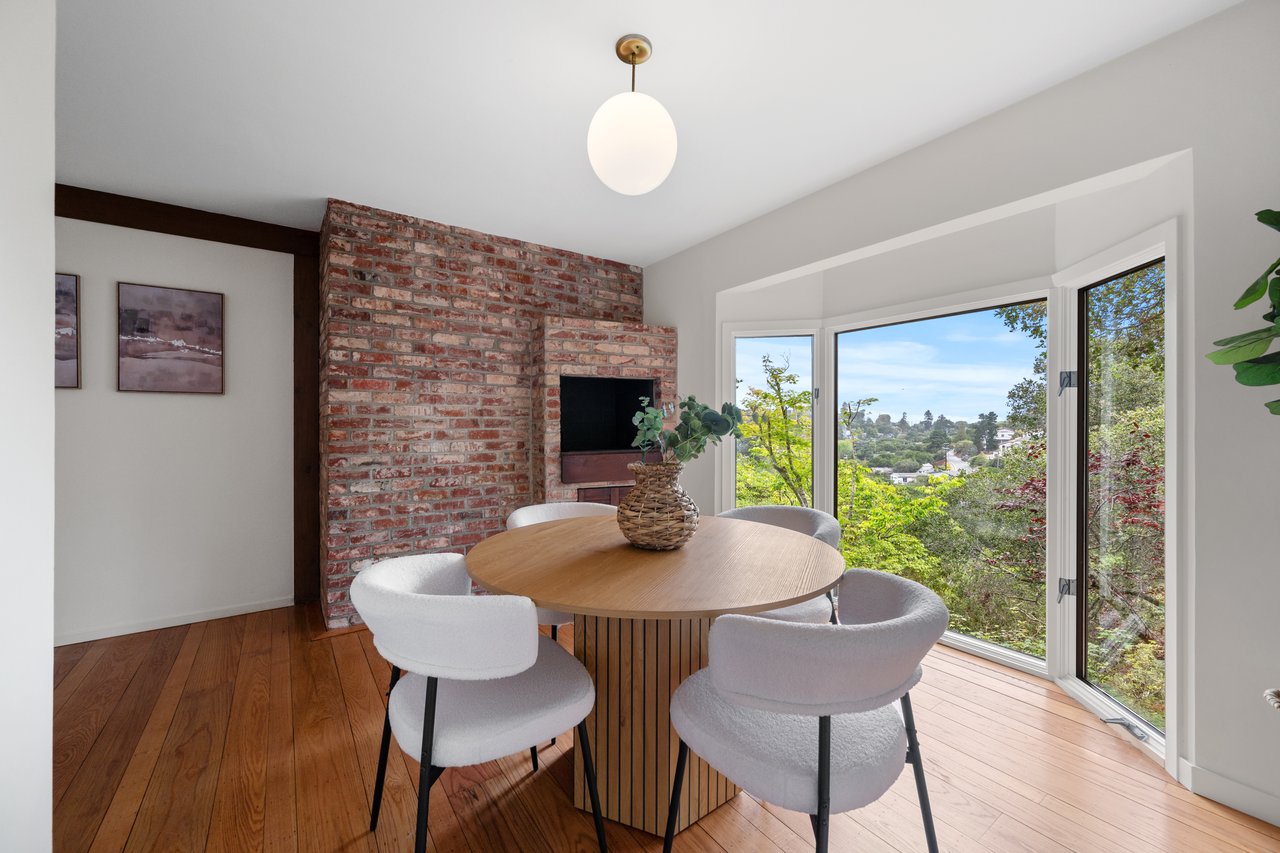
August 27, 2026
Learn why pre-listing inspections are worth it for Bay Area sellers. See how upfront inspections can build buyer confidence, reduce escrow surprises, and help create s… Read more
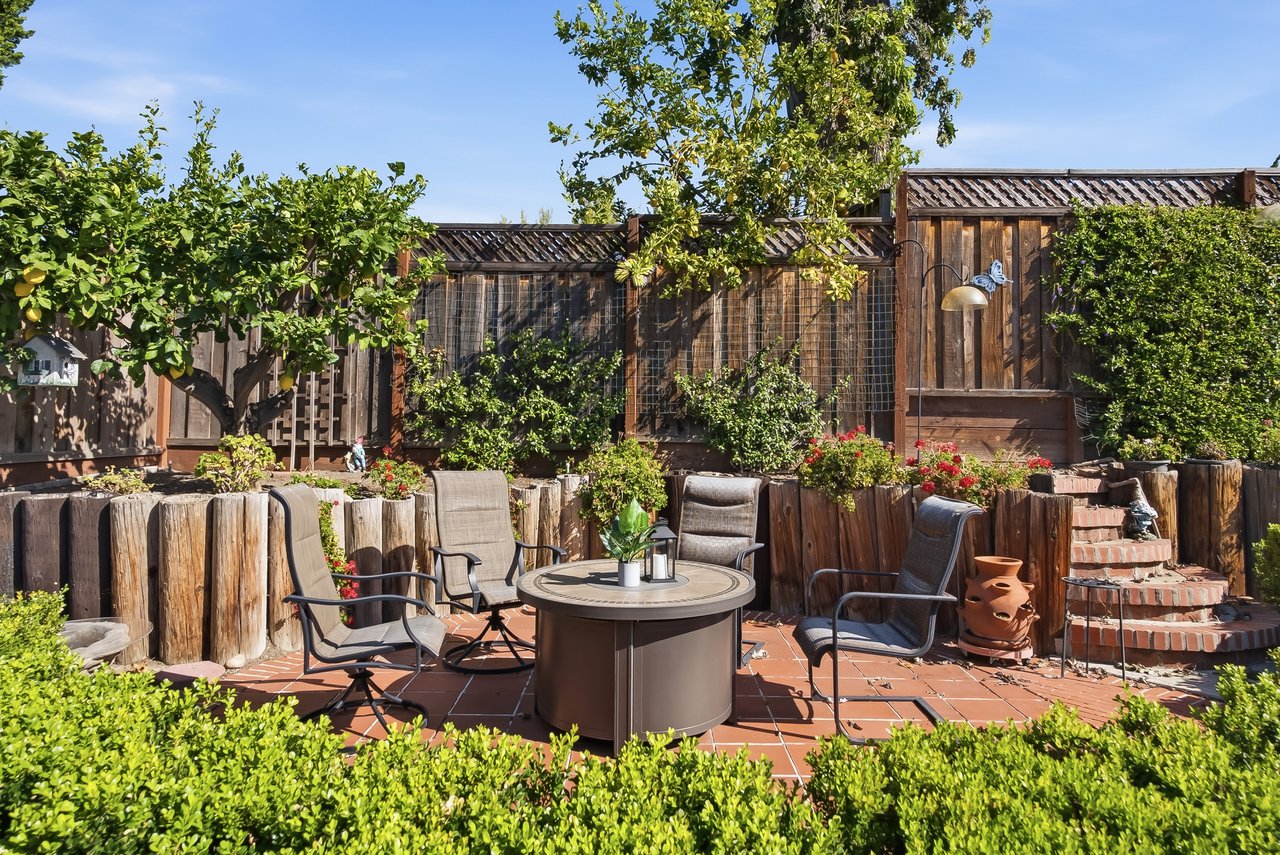
August 20, 2026
A quick look at the curb appeal, smell, and brightness details that shape a buyer’s first impression before they ever study the rest of the home.
You’ve got questions and we can’t wait to answer them.