New data is out for San Francisco’s housing market, and we’re beginning to see some of the first signs of what higher interest rates could mean for the local market. The data comes from March, and it’s an interesting look at the first quarter of the year. It’s much of the same story nationally as we continue to deal with record low supply and high demand for housing not just in San Francisco, but all over the country.
Existing home sales actually fell to a six-month low and pending sales were also down. Buyers have been having a hard time finding a home with the inventory so low and rising prices. Builders have ramped up new housing starts, but there’s also the issue of higher construction costs and increasing sales prices. One thing that’s having a major impact on what’s being sold is the reality of higher interest rates, and the expectation they’ll likely go even higher. Since January 2022 alone, mortgage rates have gone up about 1.4-percent. That’s the highest they’ve been in about three years.
For homebuyers, that means much higher monthly payments. In some cases, people are now paying hundreds of dollars more each month because of the higher rates. While that has some turning to the rental market, there are also challenges related to record low vacancy rates and skyrocketing rental prices in that market. More on that in a bit, but first let’s take a closer look at some of the latest numbers.
Single-family homes
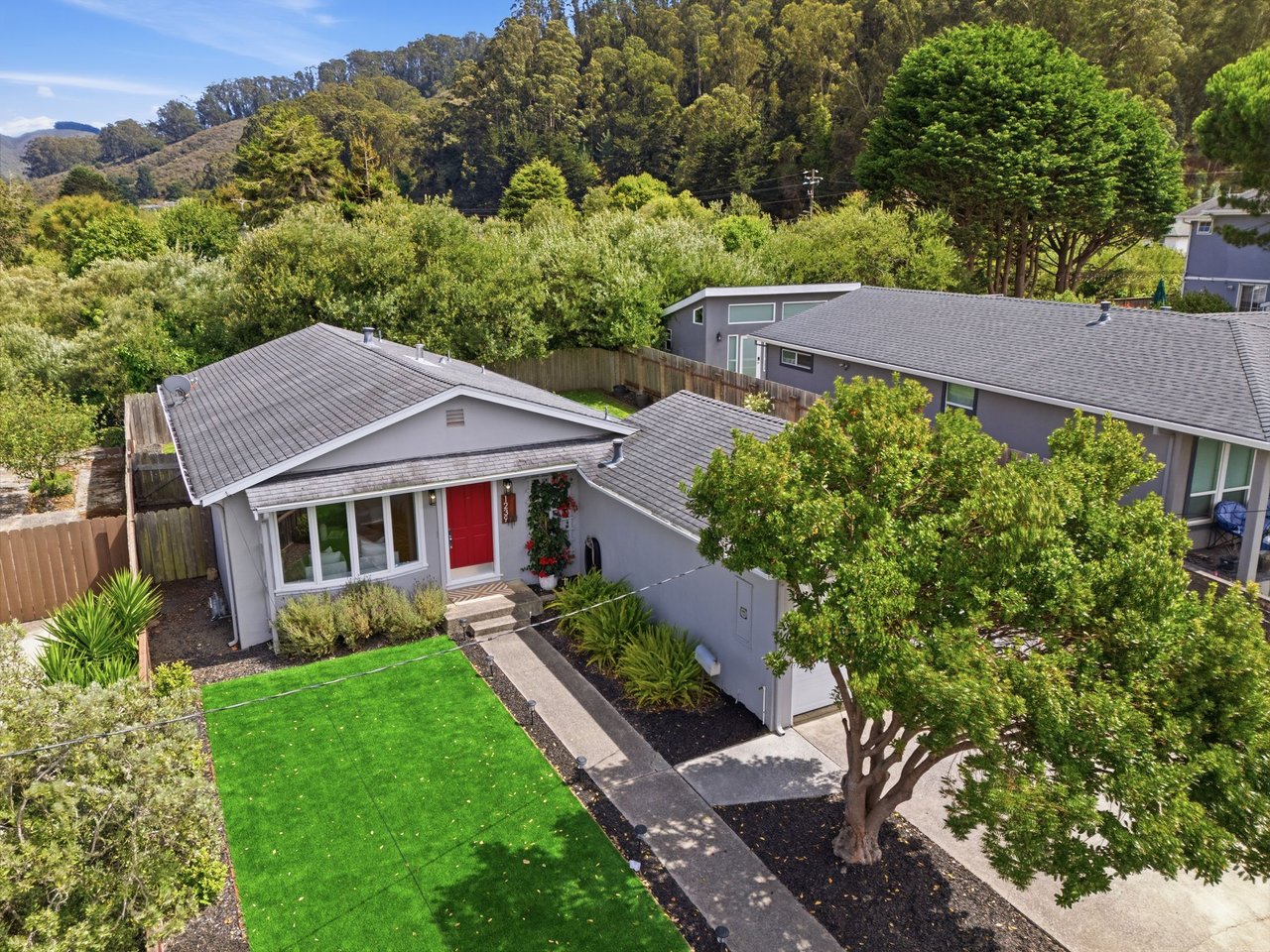
In terms of just single-family homes in San Francisco, March 2022 saw new listings down nearly 26-percent and pending sales down more than two-percent, year-over-year. The median sales price was up nearly 18-percent to $2.030 million this March. Keep in mind, there was a rush at the end of last year and beginning of this year as homebuyers were willing to pay more to get a home with an extremely low interest rate. The expectation of rates going up meant homes were snapped up and this drove up prices. The data reflects some offers accepted prior to March.
One thing that really stood out was the months supply of inventory. It was down this March more than 46-percent, which is a big jump over the same time last year. The average sales price for a single-family home was up 15-percent, and the average days on the market fell from 23 days to just 15 days. Again, homes have been selling quickly in San Francisco. Active listings were down about 40-percent. With just 379 active listings in March, it may have been one of the lowest active listing rates ever for the month of March in San Francisco. More homes also sold above list price, too. As of this March, more than 86-percent of single-family homes in the city sold for more than what they were listed.
Condos/TIC/coops
The data is also interesting for condos, TICs, and coops. This March, new listings were down about 31-percent, year-over-year, while pending sales were down about 10-percent. Sold listings were down nearly 16-percent. The median sales price was up just slightly to $1.225 million. The average sales price was up almost four-percent, but the months supply of inventory was down almost as much as single-family homes, at nearly 45-percent.
The average days on the market dipped about 28-percent. In March, condos/TIC/coops were on the market an average of 32 days. Active listings were down about 29-percent, year-over-year. What’s interesting about this is that active condo listings went through the roof in March 2020 when the pandemic first started. They later dropped, and they’ve been slowing going down. The beginning of this year did see the market start heating up for condos and some inventory finally sold. While we are in a seller’s market, the market still isn’t the same as it was in March 2019. Like single-family homes, the condo market is seeing more properties sell above list price. As of March of this year, it was almost 58-percent.
Higher interest rates
Again, higher interest rates are already starting to have an impact. It’s likely higher rates will bring down demand, but sales prices haven’t really changed much yet. Since many people tend to be more concerned about their monthly payment than a property’s overall price, we’re expecting to see prices drop in the future to better align with payments. It’s still early but we’ll probably start seeing prices level off, or possibly even decrease, with condos/TICs/coops first, followed up by single-family homes.
Remember, more and more companies are requiring workers to come back to the office, and those people are probably going to want to live closer to work, and likely closer to area nightlife, cultural attractions, parks, and lifestyle amenities. That, and higher interest rates affecting the affordability of single-family homes, could start moving the condo market even more in the future.
If you’re worried about rising interest rates, check with your realtor and lenders. We’re starting to hear that some banks are offering special relationship pricing depending on your employer. In this case, you could qualify a for special, discounted rate.