6 Steps for Listing a Property That’s Going Through Probate

Joe Polyak March 15, 2018

6 Steps for Listing a Property That’s Going Through Probate

If you are currently responsible for the sale of a property that going through probate, I have some valuable information that may help you through this process.

Want to sell your home? Get a FREE home value report.
Want to buy a home? Search all homes for sale.

Are you an executor or an administrator of an estate that’s going through probate and are now in charge of distributing the assets, including selling a piece of real estate? If so, I’d like to make the process more clear to you and tell you how my team and I can help.

Probate is the court-supervised legal process that determines the validity of the will and transfers the legal title of property from the decedent to the beneficiaries. It also includes paying any debts or taxes out. In most cases, the entire process is administered by an executor or a court-appointed administrator.

The probate process can be very costly, with thousands of dollars going to attorneys and court fees. It can also be a very lengthy process, creating a burden on the family that may engender feelings of frustration and hostility between beneficiaries. To avoid this, most estate planning professionals recommend people create a living trust. This avoids probate and allows the successor trustee to act on behalf of the decedent right away.

“

Coordinating with someone who has experience in presale home preparation will be invaluable in selling the home quickly for the highest possible price.

”

With all that explained, here are the steps you must take when selling a property that’s going through probate:

  • Appoint the executor or administrator of the estate. Usually, the decedent’s will names this person, who is responsible for distribution of assets, including real estate, to the beneficiaries. If no executor is named, the executor is unwilling to serve, or there is no will, the court will appoint an administrator. The executor or administrator is the person who has the authority to sell the property. A sale cannot proceed until this person is named. If there is no dispute among the beneficiaries, the attorney will file the Independent Administration of Estates Act (IAEA). The IAEA, enacted in 1987 to streamline probate sales, is a series of laws allowing the personal representative to administer most aspects of the decedent’s estate without court supervision.
  • Prepare the property for sale. Oftentimes, there is a significant amount of deferred maintenance on a property that’s in probate. If not properly dealt with, this could have a significant impact on the bottom line proceeds of the sale. If the executor doesn’t have experience working with contractors, it would be rise to hire a Realtor who does have this experience and has a team of vendors who they regularly work with. Many times, these sales are time-sensitive, so coordinating with someone who has experience in presale home preparation will be invaluable in selling the home quickly for the highest possible price.
  • Establish the asking price. Ultimately, the executor will be the one to establish the asking price. This will take into account the appraisal from the probate referee and the recommendation of the Realtor. Reviewing comparable sales in the neighborhood from within the last six to 12 months is a good way to establish the asking price. Currently, the market demands list prices be roughly 10% below projected sales prices. The reason for this is to increase buyer exposure and encourage multiple offers.
  • Market the property and schedule showings. At this point, the property is put into the multiple listing service (the MLS) and marketed to the public. During this period, there should be multiple open houses and private showings held for all interested parties. Depending on the Realtor you choose, the marketing strategy will vary significantly. So when interviewing agents, make sure you find out their exact plan for this aspect of the process.
  • Take offers and negotiate. After a reasonable amount of time on the market, the listing agent will assist the executor in negotiating price and terms to establish an agreement between a buyer and the seller. Once an offer is accepted, a notice of proposed action is mailed to the beneficiaries stating the terms of the proposed sale. The beneficiaries have 15 days to review the notice and pose any objections. If there are no objections, the sale may proceed without a court hearing the same way a conventional real estate transaction would.
  • The court hearing confirmation. A real estate sale goes into court confirmation when a person passes without having drafted a will or when there are disagreements among the beneficiaries. There are a few things to keep in mind with a court confirmation-required probate sale. Once the initial offer is accepted, it will have “conditional acceptance.” The time periods for loan, appraisal, and property inspection contingency removals begin at this time. The attorney then applies for the court date, which is 30 to 45 days after the application has been filed. However, even after the court date has been set, the Realtor should continue to market the property aggressively to ensure more exposure and a potentially higher offer amount.

If you have any other questions or would like more information, feel free to give me a call or send me an email. I look forward to hearing from you soon.

Recent Blog Posts

Stay up to date on the latest real estate trends.

Why Bay Area Homes Sell “Over Asking”

October 26, 2026

Why the list price is often a strategic starting point—and how buyer competition can determine the final sale price.
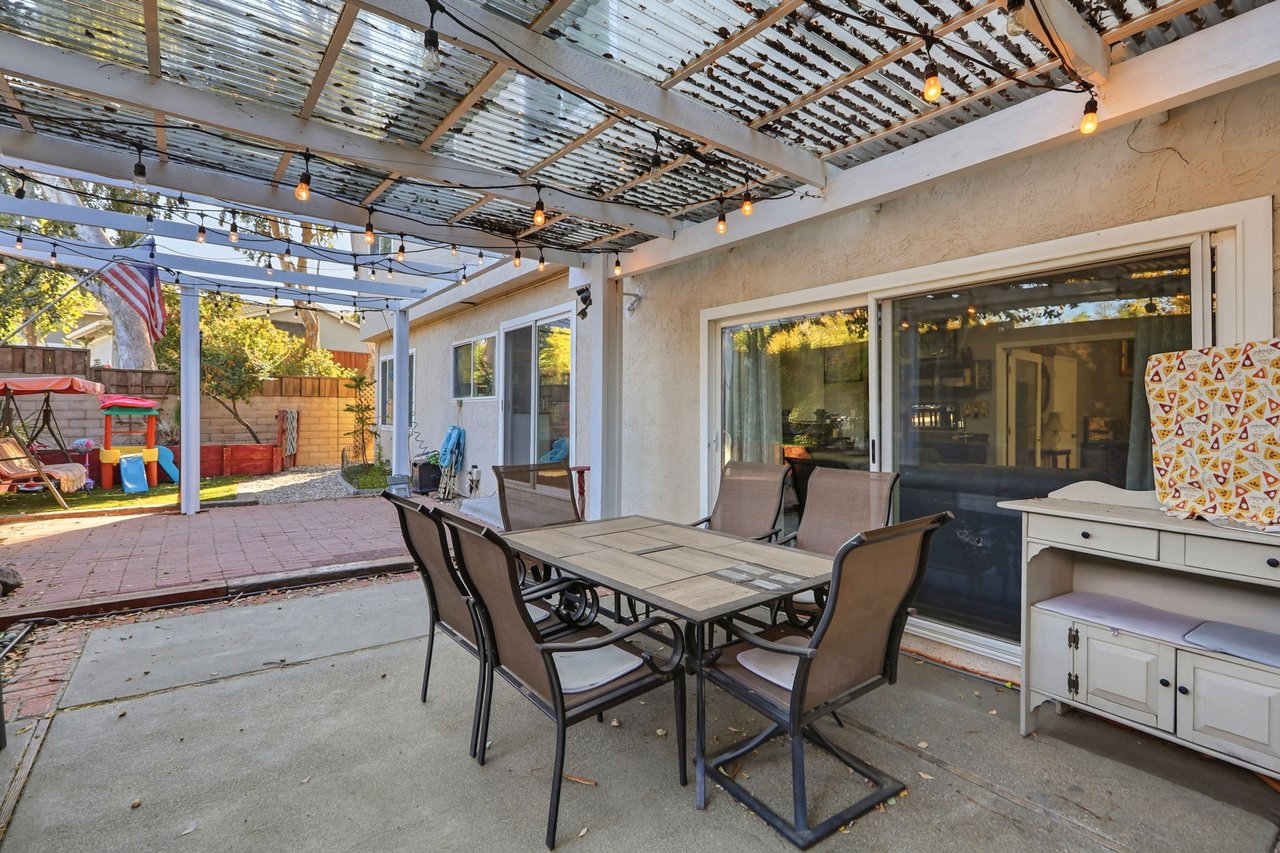
Inheriting a House in California? How Prop 19 Affects Property Taxes

October 19, 2026

What heirs, trustees, and families need to know about California’s Prop 19 rules before deciding whether to move into, rent, or sell an inherited home.
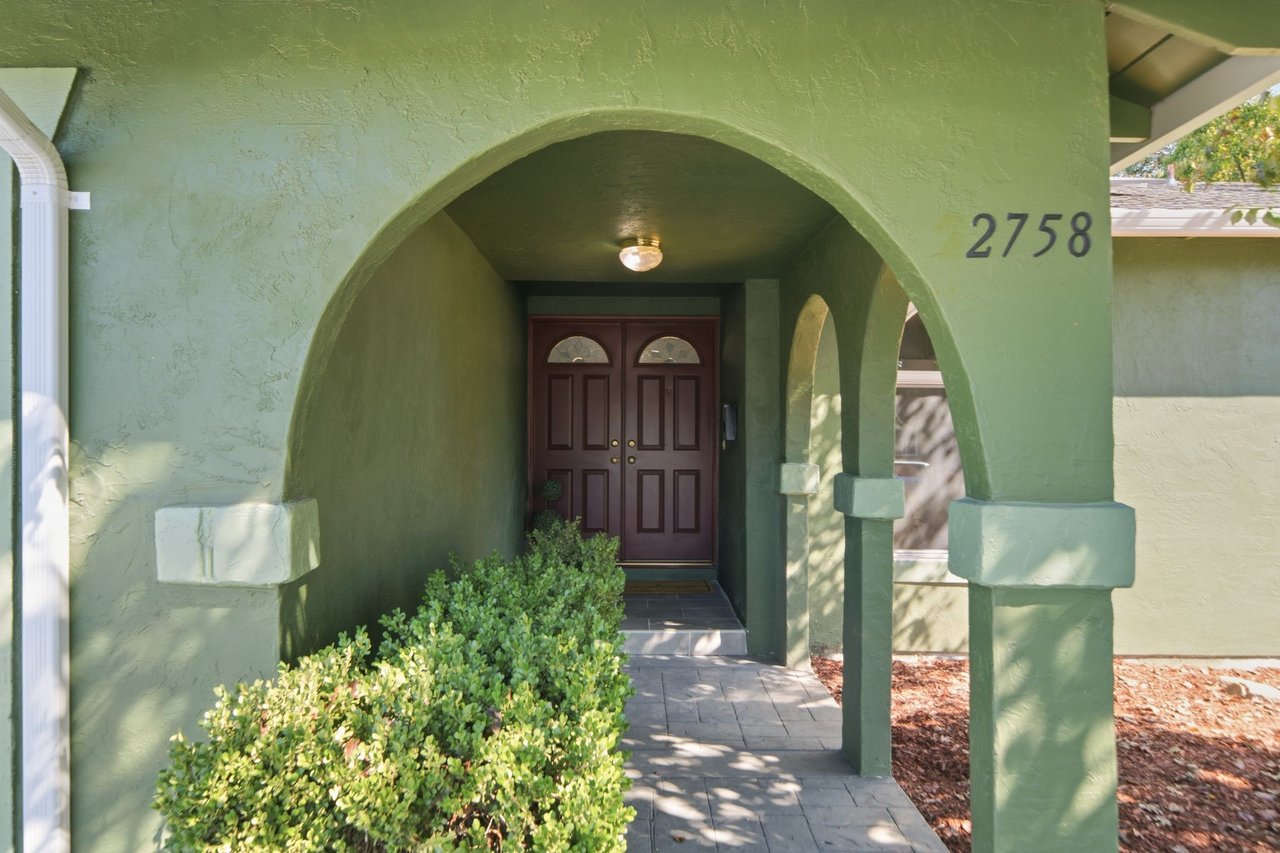
Is Fall a Good Time to Buy or Sell a Home in the Bay Area? | Rise Homes

October 13, 2026

A Bay Area guide to fall real estate, including September inventory, motivated buyers, seasonal competition, pricing strategy, and year-end opportunities.
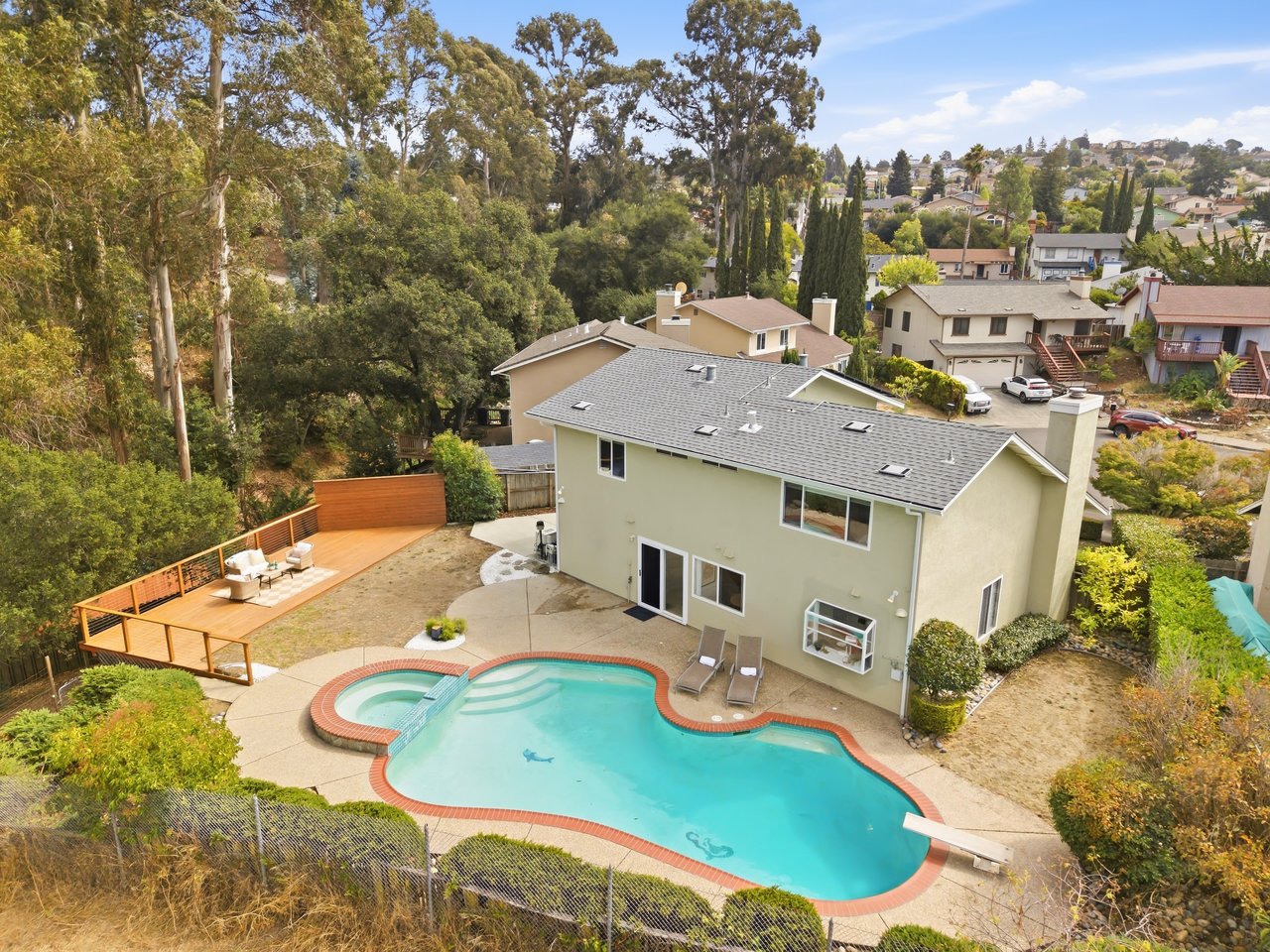
Aerial view of a home with a curved swimming pool, patio, and raised wooden deck beside mature trees.
Multiple Offers: How Do You Choose the Best One? l RISE Homes

September 24, 2026

Why the strongest offer isn’t always the highest—and how price, financing, contingencies, and certainty can determine which buyer is truly in the best position to clos… Read more

Aerial view of a gray home with a red front door, green lawn, and wooded hills.
What Happens During Escrow in a Bay Area Real Estate Transaction? l Rise Homes

September 17, 2026

A practical look at what happens after an offer is accepted, from financing and title work to signatures, funding, and the final transfer of ownership.

Home patio with outdoor dining set and arched upper window at sunset.
What Is a Real Estate Disclosure Package? Bay Area Buyer & Seller Guide | Rise Homes

September 11, 2026

What is a disclosure package in Bay Area real estate? Learn what home inspections, seller disclosures, HOA documents, and property reports buyers typically review befo… Read more
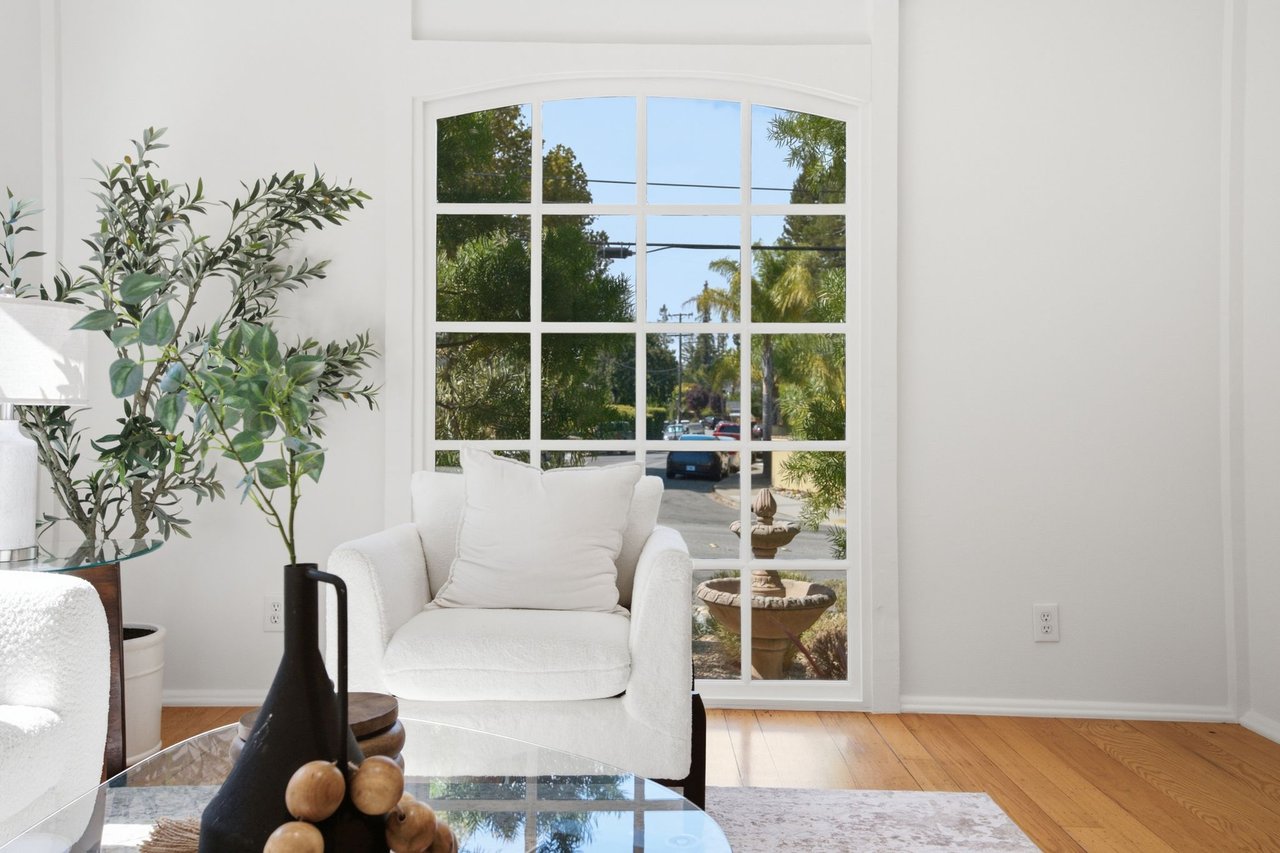
Bright living room with a white armchair beside a large grid-pane window overlooking a tree-lined street.
Should You Sell Your Home As-Is or Fix It Up First?

September 3, 2026

How strategic preparation can increase buyer appeal, create stronger competition, and help you get the best possible result when selling your home.
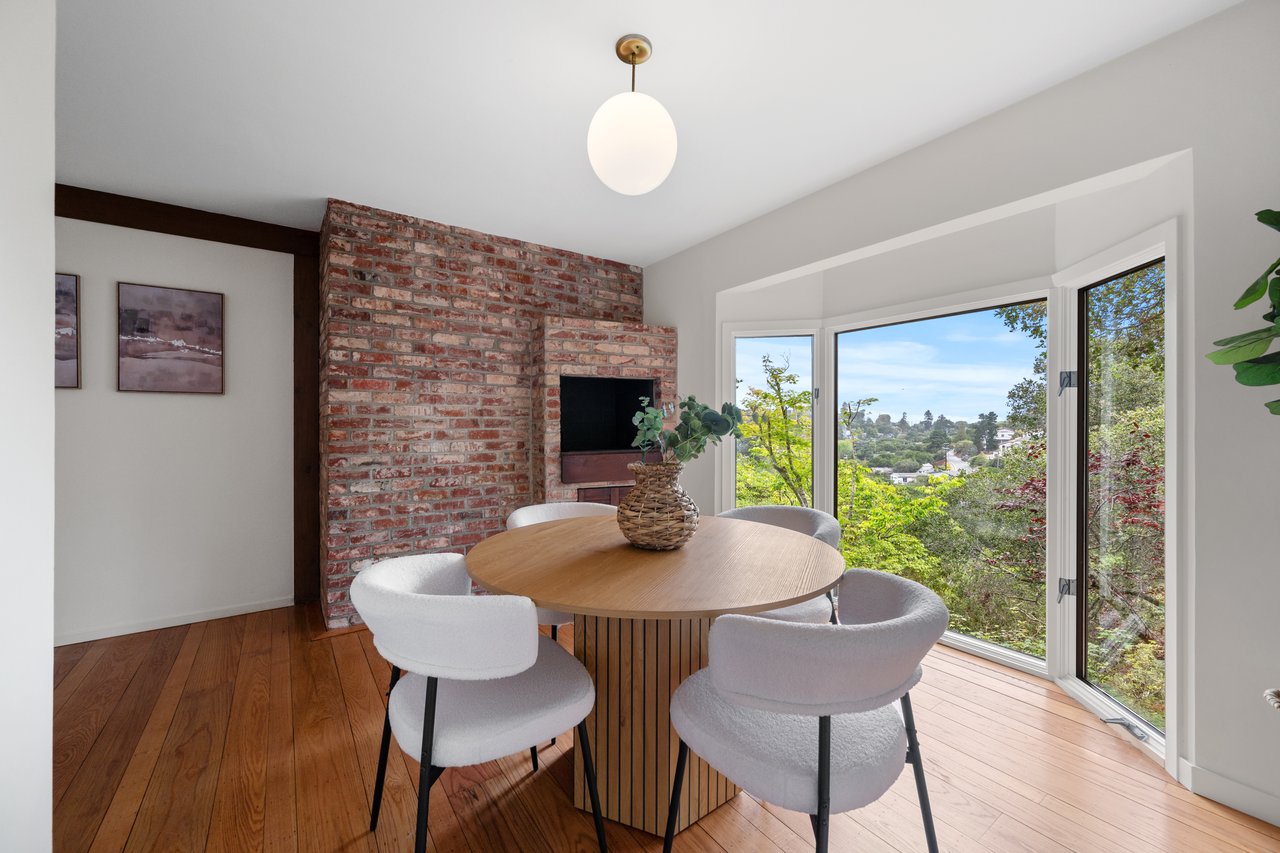
Dining area with a round wooden table beside corner windows overlooking a leafy neighborhood, against a brick fireplace wall.
Pre-Listing Inspections: Are They Worth It for Bay Area Sellers? | Rise Homes

August 27, 2026

Learn why pre-listing inspections are worth it for Bay Area sellers. See how upfront inspections can build buyer confidence, reduce escrow surprises, and help create s… Read more

Backyard patio with a round table, chairs, raised flower beds, and mature trees.
What Buyers Notice in the First 30 Seconds of Seeing a Home | Rise Homes

August 20, 2026

A quick look at the curb appeal, smell, and brightness details that shape a buyer’s first impression before they ever study the rest of the home.

Let’s Talk

You’ve got questions and we can’t wait to answer them.